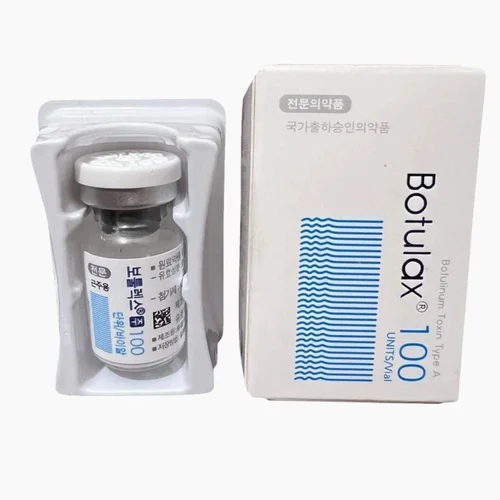
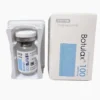
Botulinum Toxin Research Compound: A Potent Neurotoxin for Neuromuscular & Neurobiology Studies
If your research investigates the molecular mechanisms of synaptic transmission, neuromuscular blockade, or the therapeutic applications of neurotoxins, Botulinum Toxin research compound offers a precisely defined and extensively validated research tool. Botulinum neurotoxins (BoNTs) are the most potent neurotoxins known to humans, produced by the bacterium Clostridium botulinum. These ~150 kDa proteins are composed of three major functional domains: an N‑terminal zinc metalloprotease light chain (LC), a translocation domain (HN), and a binding domain (HC). By specifically cleaving SNARE proteins essential for neurotransmitter release, botulinum toxins inhibit acetylcholine exocytosis at the neuromuscular junction, leading to flaccid paralysis. This makes Botulinum Toxin research compound a valuable tool for laboratories investigating neurobiology, pain mechanisms, muscle physiology, and the development of novel therapeutics.
At Chinese Grey Peptides, we supply high‑purity Botulinum Toxin research compound to research institutions and wholesale buyers across the United Kingdom, France, Germany, Spain, Sweden, Italy, and the USA. Every batch is manufactured under stringent quality control, verified for purity, and accompanied by a Certificate of Analysis (COA), ensuring your investigations into neuromuscular signalling and neurobiology begin with uncompromising quality.
What Is Botulinum Toxin and How Does It Work?
To fully appreciate the research potential of Botulinum Toxin research compound, it is essential to understand its biochemical structure, its mechanism of action at the molecular level, and its distinct serotypes.
The Multidomain Protein Structure
Botulinum neurotoxins are proteins comprised of three major functional domains:
-
Binding Domain (HC): Responsible for targeting the BoNT to the neuronal cell membrane. BoNT/A binds to synaptic vesicle glycoprotein (SV2C) and ganglioside (GT1b) to enter motor neurons.
-
Translocation Domain (HN): Facilitates the transfer of the light chain across the endosomal membrane into the cytosol.
-
Light Chain (LC): A zinc-dependent protease that, once inside the cell, cleaves specific SNARE proteins essential for neurotransmitter secretion.
Mechanism of Action: SNARE Cleavage and Neurotransmitter Inhibition
The biological activity of Botulinum Toxin research compound is mediated through its highly specific proteolytic action:
-
SNARE Protein Cleavage: The light chain of botulinum toxin cleaves specific SNARE proteins — synaptosomal‑associated protein 25 (SNAP‑25), syntaxin, or synaptobrevin — depending on the serotype.
-
Inhibition of Vesicle Fusion: By cleaving these essential proteins, the toxin prevents synaptic vesicles from fusing with the presynaptic plasma membrane.
-
Blockade of Neurotransmitter Release: This inhibition prevents the exocytosis of acetylcholine (and other neurotransmitters) from nerve endings, leading to muscle paralysis.
Serotypes and Research Applications
There are seven immunologically distinct serotypes of botulinum toxin — A, B, C, D, E, F, and G — each with unique biological properties. Serotypes A and B are the most commonly studied and clinically used. Each serotype cleaves a different intracellular protein or the same target at distinct bonds, making them valuable tools for dissecting specific steps in the exocytosis pathway.
Key Research Applications for Botulinum Toxin
Botulinum Toxin research compound is a versatile tool with applications spanning several domains of biomedical research.
1. Neuromuscular Junction & Synaptic Transmission Research
As a specific inhibitor of neurotransmitter release, botulinum toxin is an essential tool for studying synaptic physiology. Research applications include:
-
SNARE Complex Dynamics: Investigating the molecular machinery of vesicle fusion and neurotransmitter release.
-
Neuromuscular Transmission: Studying the mechanisms of acetylcholine release and receptor activation at the neuromuscular junction.
-
Synaptic Vesicle Cycling: Exploring the processes of vesicle docking, priming, and fusion.
2. Pain & Sensory Neuroscience Research
Botulinum toxin has emerged as a valuable tool for pain research. Studies have demonstrated:
-
Antinociceptive Activity: BoNT/A normalises thresholds to nociceptive stimuli and is being investigated for its effects in chronic pain.
-
Central Nervous System Effects: BoNT/A can be axonally transported to the central nervous system, where it cleaves SNAP‑25 in central afferent terminals.
-
Neuropathic Pain Models: Investigating BoNT/A’s efficacy in different types of neuropathies, low‑back pain, and arthritis.
3. Neuroprotection & Neurodegenerative Research
Emerging research has explored botulinum toxin’s neuroprotective properties:
-
Parkinson’s Disease: In a preclinical mouse model of Parkinson’s disease, BoNT treatment significantly improved learning and memory, increased hippocampal neurogenesis, and protected pyramidal neurons in the hippocampus.
-
Cognitive Function: BoNT increased the number of doublecortin (DCX)-positive immature neurons and promoted adult neurogenesis.
4. Muscle Physiology & Spasticity Research
Botulinum toxin’s ability to induce temporary muscle paralysis makes it a valuable tool for studying muscle physiology:
-
Muscle Contractility: Investigating the mechanisms of muscle contraction and the effects of denervation.
-
Spasticity Models: Studying the pathophysiology of spasticity and the effects of neuromuscular blockade.
-
Motor Neuron Function: Exploring the role of motor neurons in muscle control and disease.
5. Drug Discovery & Therapeutic Development
As a well‑characterised neurotoxin with established clinical applications, botulinum toxin serves as a reference standard for drug discovery:
-
Therapeutic Development: Investigating novel therapeutic applications for neurological and pain disorders.
-
Antitoxin Research: Developing and validating antitoxins and neutralising antibodies.
-
High‑Throughput Screening: Using zebrafish and other models for screening BoNT‑related compounds.
Chemical & Physical Specifications
Accurate characterisation of Botulinum Toxin research compound is essential for reproducible experimental design.
| Parameter | Specification |
|---|---|
| Common Names | Botulinum Toxin, BoNT, Botulinum Neurotoxin, BTX |
| Source | Clostridium botulinum |
| Structure | ~150 kDa protein with light chain and heavy chain |
| Serotypes | A, B, C, D, E, F, G |
| Mechanism | Zinc-dependent protease; cleaves SNARE proteins |
| Enzyme Classification | EC 3.4.24.69 |
| Purity | Research-grade (≥95% by SDS‑PAGE) |
| Appearance | Lyophilised powder or solution |
| Storage (Lyophilised) | –20°C or –80°C, sealed, desiccated, protected from light |
| Storage (Reconstituted) | 2‑8°C for short‑term use; single‑use aliquots at –20°C or –80°C |
Note: Botulinum toxin is a highly potent neurotoxin. All handling must be performed by trained personnel in appropriately equipped laboratories following strict biosafety protocols. This product is for research use only (RUO) and is not for human or veterinary use.
Reconstitution & Handling Protocol for Botulinum Toxin
Proper reconstitution and handling of Botulinum Toxin research compound is critical for maintaining its structural integrity and biological activity. Due to its extreme potency, strict adherence to biosafety protocols is essential.
Step 1 – Preparation
-
Bring the sealed Botulinum Toxin vial and your chosen diluent (sterile bacteriostatic water, sterile PBS, or specified buffer) to the appropriate temperature as per the product datasheet.
-
Work in a designated biological safety cabinet using appropriate personal protective equipment.
-
Clean your work surface with 70% ethanol.
Step 2 – Reconstitution
-
Draw your desired volume of diluent into a sterile syringe. Follow the product datasheet for the recommended reconstitution volume.
-
Slowly inject the diluent against the inner glass wall. Avoid creating bubbles or spraying directly onto the lyophilised powder.
-
Gently swirl or roll the vial until the solution is clear and fully dissolved. Do not shake vigorously.
Step 3 – Aliquoting & Storage
-
Immediately after dissolution, aliquot the reconstituted toxin into single‑use sterile vials to avoid repeated freeze‑thaw cycles.
-
Store aliquots at –20°C or –80°C as recommended.
-
Avoid repeated freeze‑thaw cycles, which can degrade the protein.
Concentration Reference Table
| Vial Mass | Diluent Volume | Final Concentration |
|---|---|---|
| As specified | As per datasheet | As per datasheet |
Adjust diluent volume based on your experimental requirements. Always refer to the product datasheet for specific reconstitution instructions.
Storage & Stability Guidelines
| Storage Condition | Shelf Life | Notes |
|---|---|---|
| Lyophilised at –20°C or –80°C | As per expiry date | Use desiccant, protect from light |
| Reconstituted at 2‑8°C | Short‑term use | Use within days; do not freeze |
| Reconstituted aliquots at –20°C or –80°C | Up to 3‑6 months | Single freeze only; discard after thawing |
Why Choose Chinese Grey Peptides for Botulinum Toxin Research Compound?
As an authentic licensed peptide supplier based in the USA, we supply Botulinum Toxin research compound and a wide range of research‑grade compounds under rigorous quality assurance protocols, fully aligned with Google’s E‑E‑A‑T standards (Experience, Expertise, Authoritativeness, Trustworthiness).
-
Verified Quality: Each batch is manufactured under strict quality control conditions.
-
High Purity: Research-grade purity verified by SDS‑PAGE and other analytical methods.
-
Full Traceability: Batch‑specific Certificates of Analysis (COA) are available for every order.
-
Wholesale Supply: We serve research institutions, laboratories, and wholesale buyers across the UK, EU, and USA with flexible volume pricing and reliable logistics.
-
USA‑Based Regulatory Compliance: All products are supplied strictly as research‑grade reagents for laboratory use only (RUO).
Researchers across the United States—including those at leading institutions—trust us for fast domestic delivery, transparent documentation and professional technical support.
FAQ: Botulinum Toxin Research Compound
What is Botulinum Toxin research compound?
Botulinum toxin (BoNT) is a potent neurotoxin produced by Clostridium botulinum. It is a ~150 kDa protein that acts as a zinc‑dependent protease, specifically cleaving SNARE proteins to inhibit neurotransmitter release.
What are the different serotypes of botulinum toxin?
There are seven immunologically distinct serotypes: A, B, C, D, E, F, and G. Each serotype cleaves different SNARE proteins or the same target at distinct bonds.
What is the mechanism of action of botulinum toxin?
Botulinum toxin binds to neuronal cell membranes, enters the cytosol, and cleaves specific SNARE proteins (SNAP‑25, syntaxin, or synaptobrevin). This prevents synaptic vesicle fusion and inhibits neurotransmitter release.
What are the primary research applications for botulinum toxin?
Botulinum toxin is used in neuromuscular junction and synaptic transmission research, pain and sensory neuroscience studies, neuroprotection and neurodegenerative research (including Parkinson’s disease models), muscle physiology and spasticity research, and drug discovery and therapeutic development.
What purity does your Botulinum Toxin research compound meet?
Our Botulinum Toxin is research‑grade with purity verified by SDS‑PAGE and other analytical methods. A Certificate of Analysis (COA) is supplied with every order.
How should I handle Botulinum Toxin in the laboratory?
Botulinum toxin is a highly potent neurotoxin. All handling must be performed by trained personnel in appropriately equipped laboratories following strict biosafety protocols. Work in a designated biological safety cabinet using appropriate personal protective equipment.
Is Botulinum Toxin research compound legal to purchase in the USA?
Yes. Botulinum toxin is a laboratory reagent sold for research use only (RUO). It is fully legal to purchase, possess, and use in the United States for legitimate in‑vitro or in‑vivo scientific research, provided it is not marketed with therapeutic claims.
Does Chinese Grey Peptides ship internationally?
Yes. We ship across the UK, Europe (France, Germany, Spain, Sweden, Italy), and the USA from our US warehouse. Wholesale pricing is available for bulk orders.
- Contact Page
- Bulk Orders Page
- Shipping & Return Page
- Product Purity Page
- Shop Page
- CDC botulinum toxin injection safety guidance — useful because CDC states FDA-approved botulinum toxin is prescription-only and available for purchase only by people with a valid healthcare license.
- FDA warning on illegal marketing of Botox-related products — useful because FDA warned 18 websites in November 2025 for illegally marketing unapproved and misbranded botulinum toxin products.
- DailyMed BOTOX label — useful for official U.S. prescription-label context and boxed-warning language.
- CDC harmful reactions investigation — useful for counterfeit or mishandled botulinum toxin risk context.
- Google Product Structured Data — useful for ecommerce schema only when the page is lawful and all product details match visible content.
- Rank Math WooCommerce Product Schema
Shipping Review for USA, Canada, UK & Europe
Chinese Grey Peptides supports international shipping communication only where permitted by applicable rules. Shipping availability may depend on product status, licensing requirements, product type, order size, customer qualification, carrier restrictions, customs process, and local law.
Shipping support may include:
- Destination review
- Packaging information
- Storage and handling review
- Order processing updates
- Tracking information where available
- Wholesale shipment planning
- Customer support during transit
Shipping is not guaranteed until compliance, product status, and destination checks are reviewed.
Why Choose Chinese Grey Peptides?
Chinese Grey Peptides focuses on quality, documentation, and clear communication. We help qualified buyers review product details before an inquiry is processed.
Customers choose us for:
- Professional supplier communication
- Qualified-buyer inquiry support
- Documentation-focused review
- Batch information where available
- Authenticity documentation where available
- Cold-chain communication
- International shipping review
- Responsive customer support
We aim to keep the inquiry process transparent, professional, and compliance-focused.
From its discovery as a lethal foodborne toxin to its transformation into one of the most powerful tools in neuroscience and therapeutic research, Botulinum Toxin research compound represents a remarkable convergence of toxicology and translational science. Its ability to precisely cleave SNARE proteins, inhibit neurotransmitter release, and modulate neuromuscular transmission—supported by decades of peer‑reviewed research published in Nature, Science, PubMed, and other authoritative journals—makes it an indispensable tool for any laboratory investigating synaptic biology, pain mechanisms, or neurotherapeutics. By choosing high‑purity, lab‑verified Botulinum Toxin research compound from Chinese Grey Peptides, you ensure that your research is built on a foundation of quality, reproducibility, and scientific integrity.
Ready to advance your research with Botulinum Toxin? Browse our product catalogue, request a wholesale quote, or contact our support team today to discuss your laboratory’s specific needs. Place your order now and receive GMP‑grade Botulinum Toxin delivered directly to your facility in the USA, UK, or Europe.
Be the first to review “Botulinum Toxin”
Related products
Peptides
Reviews
There are no reviews yet.