Acetyl Hexapeptide-3 (Argireline) Research Peptide: A SNARE Complex Inhibitor for Neuromuscular & Dermal Studies
If your research investigates neuromuscular signalling, SNARE complex dynamics, or the modulation of acetylcholine release, Acetyl Hexapeptide-3 (Argireline) research peptide — also known as acetyl hexapeptide-8 — offers a precisely defined and extensively studied synthetic tool. Argireline is a synthetic hexapeptide patterned after the N‑terminal domain of the protein SNAP‑25, a core component of the SNARE complex responsible for synaptic vesicle docking and fusion. By competitively binding to syntaxin‑1 and preventing SNARE complex formation, Argireline inhibits neurotransmitter release at the neuromuscular junction, reducing muscle contractions that drive expression lines and wrinkles. This mechanism has established Acetyl Hexapeptide-3 (Argireline) research peptide as a valuable tool for laboratories investigating exocytosis dynamics, SNARE protein interactions, and the molecular basis of neuromuscular modulation.
At Chinese Grey Peptides, we supply high‑purity Acetyl Hexapeptide-3 (Argireline) research peptide to research institutions and wholesale buyers across the United Kingdom, France, Germany, Spain, Sweden, Italy, and the USA. Every batch is lyophilised, HPLC‑verified to ≥98% purity, and accompanied by a Certificate of Analysis (COA), ensuring your investigations into neuromuscular signalling and SNARE complex biology begin with uncompromising quality.
What Is Acetyl Hexapeptide-3 (Argireline) and How Does It Work?
To fully appreciate the research potential of Acetyl Hexapeptide-3 (Argireline) research peptide, it is essential to understand its biochemical design and the precise mechanism by which it modulates neuromuscular signalling.
The Acetylated Hexapeptide
Argireline is a synthetic acetylated hexapeptide with the sequence Ac‑Glu‑Glu‑Met‑Gln‑Arg‑Arg‑NH₂ (Ac‑EEMQRR‑NH₂). Its molecular formula is C₃₄H₆₀N₁₄O₁₂S, and its molecular weight is approximately 889 Da. It has a CAS number of 616204‑22‑9. The peptide is a non‑toxic, skin‑permeable, anti‑wrinkle peptide that emulates the action of botulinum neurotoxins without the associated risks.
Mechanism of Action: Competitive Inhibition of SNARE Complex Assembly
The biological activity of Acetyl Hexapeptide-3 (Argireline) research peptide is rooted in its ability to disrupt a specific protein‑protein interaction:
-
SNARE Complex Mimicry: Argireline mimics the N‑terminal sequence of SNAP‑25, a protein essential for the formation of the ternary SNARE complex (syntaxin‑1, SNAP‑25, and synaptobrevin). The SNARE complex is the molecular machinery responsible for synaptic vesicle docking and fusion at the neuromuscular junction.
-
Competitive Binding: By competing with SNAP‑25 for a position in the SNARE complex, Argireline destabilises the complex. It competitively binds to syntaxin‑1, preventing the proper assembly of the SNARE complex.
-
Inhibition of Neurotransmitter Release: This destabilisation inhibits Ca²⁺‑dependent neurotransmitter (acetylcholine) release at the neuromuscular junction. In cell‑free co‑immunoprecipitation assays, Argireline at a concentration of 10 μM produced a measurable reduction in SNARE complex formation.
-
Catecholamine Release Inhibition: Argireline also interferes with catecholamine release.
Clinical Evidence and Research Validation
Argireline has demonstrated significant anti‑wrinkle efficacy in multiple clinical studies. A 2013 study revealed that Argireline could improve the histological structure of skin tissue and rejuvenate aging skin. A 2025 review of the literature found that all 10 studies reviewed reported decreases in wrinkle and scar prominence, with 4 studies describing the isolated effects of acetyl hexapeptide‑8 reporting significant changes in wrinkle appearance. In one clinical trial, a 30% decrease in skin wrinkles was observed after 30 days of topical application.
Key Research Applications for Acetyl Hexapeptide-3 (Argireline)
Acetyl Hexapeptide-3 (Argireline) research peptide is a versatile tool with applications spanning several areas of biomedical and formulation science.
1. SNARE Complex & Vesicle Fusion Dynamics
The most fundamental application of Argireline lies in its ability to serve as a molecular probe for studying the SNARE complex. Research applications include:
-
SNARE complex assembly and stabilisation
-
Calcium‑dependent conformational shifts involved in vesicle priming
-
The kinetics of vesicle docking and fusion under varying conditions
-
The competitive dynamics between native SNAP‑25 and peptide mimics
2. Neuromuscular Junction & Neurotransmitter Release Models
The neuromuscular junction is a well‑characterised model system for studying exocytosis and synaptic transmission. Research applications include:
-
Modelling conditions of reduced neuromuscular transmission
-
Investigating the relationship between neurotransmitter release intensity and downstream physiological outcomes
-
Studying the reversibility and recovery of SNARE‑mediated release after peptide exposure
-
Exploring the competitive dynamics between SNAP‑25 and peptide mimics
3. SNARE‑Based Therapeutic Research
Argireline is widely studied as a topical alternative to botulinum toxin. Research applications include:
-
Comparative Efficacy Studies: Comparing Argireline with botulinum toxin and other SNARE inhibitors
-
Combination Studies: Investigating the synergistic effects of Argireline with other peptides
-
Delivery System Research: Studying the skin permeation of Argireline using iontophoresis, microneedles, and other transdermal delivery technologies
4. Protein‑Protein Interaction & Molecular Recognition Studies
Beyond its specific role in SNARE biology, Argireline serves as a model system for studying protein‑peptide interactions. Research applications include:
-
Investigating how short peptide fragments retain or modify the binding specificity of full‑length proteins
-
Studying the structural requirements for high‑affinity binding between SNARE motifs
-
Developing and validating computational models of protein‑peptide interactions
-
Exploring the relationship between peptide sequence, conformation, and binding affinity
5. Formulation & Transdermal Delivery Research
Argireline is incorporated into various topical vehicles to study formulation variables affecting peptide stability, skin penetration, and bioavailability. Research applications include:
-
Skin Permeation Studies: Investigating the passive and iontophoretic permeation of Argireline through excised human skin
-
Microneedle Delivery: Studying the utility of solid microneedle arrays in enhancing transdermal delivery
-
Nanoformulation Studies: Exploring the use of nanostructured lipid carriers and lipid nanocapsules for Argireline delivery
Chemical & Physical Specifications
Accurate characterisation of Acetyl Hexapeptide-3 (Argireline) research peptide is essential for reproducible experimental design.
| Parameter | Specification |
|---|---|
| Common Names | Argireline, Acetyl Hexapeptide‑3, Acetyl Hexapeptide‑8 |
| Amino Acid Sequence (One‑Letter) | Ac‑EEMQRR‑NH₂ |
| Amino Acid Sequence (Three‑Letter) | Ac‑Glu‑Glu‑Met‑Gln‑Arg‑Arg‑NH₂ |
| Molecular Formula | C₃₄H₆₀N₁₄O₁₂S |
| Molecular Weight | ~889 Da |
| CAS Number | 616204‑22‑9 |
| Purity | ≥98% (HPLC verified) |
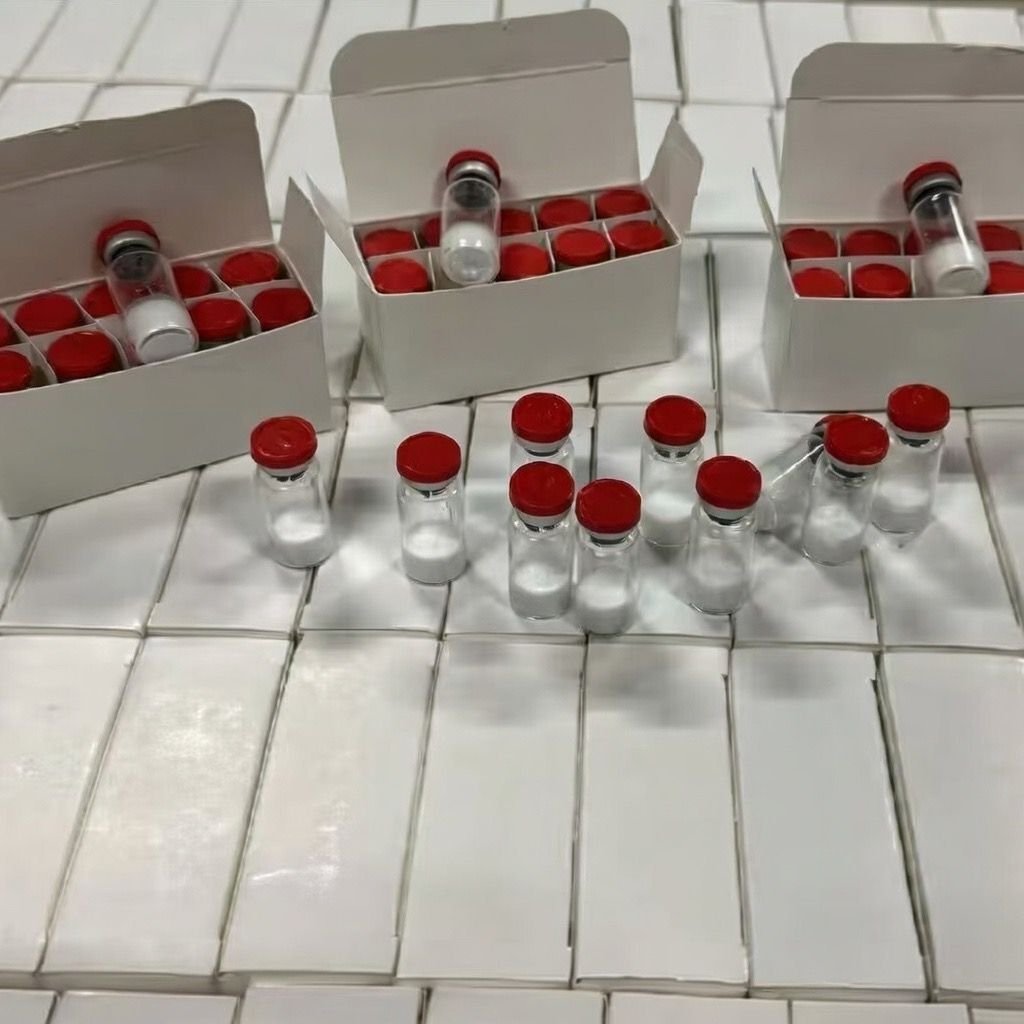
| Appearance | White to off‑white lyophilised powder |
| Solubility | Soluble in sterile water and sterile PBS (pH 5‑7) |
| Storage (Lyophilised) | –20°C, sealed, desiccated, protected from light |
| Storage (Reconstituted) | 2‑8°C for short‑term use; single‑use aliquots at –20°C for long‑term storage |
Reconstitution & Handling Protocol for Acetyl Hexapeptide-3 (Argireline)
Proper reconstitution of Acetyl Hexapeptide-3 (Argireline) research peptide is critical for maintaining its structural integrity and biological activity.
Step 1 – Preparation
-
Bring the sealed Argireline vial and your chosen diluent (sterile bacteriostatic water or sterile PBS, pH 5‑7) to room temperature. Condensation can degrade the lyophilised powder.
-
Clean your work surface with 70% ethanol and lay out sterile syringes, alcohol wipes and a clean work mat.
Step 2 – Vial Sanitisation
-
Wipe the rubber stopper of the Argireline vial with a fresh 70% ethanol wipe. Allow the alcohol to evaporate completely before piercing.
Step 3 – Reconstitution
-
Draw your desired volume of diluent into a sterile syringe. A common starting concentration for research applications is 10 mg per 1 mL of diluent, yielding a 10 mg/mL stock solution.
-
Insert the needle and slowly inject the diluent against the inner glass wall. Do not spray directly onto the lyophilised powder.
-
Gently swirl the vial until the solution is clear and fully dissolved. Do not shake vigorously, as shaking can cause denaturation.
Step 4 – Aliquoting & Storage
-
Immediately after dissolution, aliquot the reconstituted Argireline into single‑use sterile vials.
-
Store aliquots at –20°C. Avoid repeated freeze‑thaw cycles.
-
Once thawed, store at 2‑8°C and use within a short period.
Concentration Reference Table
| Vial Mass | Diluent Volume | Final Concentration |
|---|---|---|
| 10 mg | 1.0 mL | 10 mg/mL |
| 10 mg | 2.0 mL | 5 mg/mL |
| 10 mg | 0.5 mL | 20 mg/mL |
Adjust diluent volume based on your experimental requirements. For cell culture applications, typical working concentrations may range from 0.1‑10 µM.
Storage & Stability Guidelines
| Storage Condition | Shelf Life | Notes |
|---|---|---|
| Lyophilised at –20°C, unopened | 2 years | Use desiccant, protect from light |
| Lyophilised at 2‑8°C, unopened | 6‑12 months | –20°C storage is strongly preferred for long‑term stability |
| Reconstituted at 2‑8°C | Short‑term use | Use within days to weeks |
| Reconstituted aliquots at –20°C | Up to 3 months | Single freeze only; discard after thawing |
Why Choose Chinese Grey Peptides for Acetyl Hexapeptide-3 (Argireline)?
As an authentic licensed peptide supplier based in the USA, we supply Acetyl Hexapeptide-3 (Argireline) research peptide and a wide range of research‑grade compounds under rigorous quality assurance protocols, fully aligned with Google’s E‑E‑A‑T standards (Experience, Expertise, Authoritativeness, Trustworthiness).
-
Verified Purity: Independent HPLC analysis with purity guaranteed ≥98% for every batch.
-
GMP‑Compliant Manufacturing: All peptides are synthesised under strict quality control conditions.
-
Full Traceability: Batch‑specific Certificates of Analysis (COA) are available for every order.
-
Wholesale Supply: We serve research institutions, laboratories, and wholesale buyers across the UK, EU, and USA with flexible volume pricing and reliable logistics.
-
USA‑Based Regulatory Compliance: All products are supplied strictly as research‑grade chemicals for laboratory use only (RUO).
Researchers across the United States—including those at leading institutions—trust us for fast domestic delivery, transparent documentation and professional technical support.
FAQ: Acetyl Hexapeptide-3 (Argireline) Research Peptide
What is Acetyl Hexapeptide-3 (Argireline) research peptide?
Argireline (acetyl hexapeptide‑3, also known as acetyl hexapeptide‑8) is a synthetic hexapeptide patterned after the N‑terminal domain of the protein SNAP‑25. It acts as a competitive inhibitor of SNARE complex assembly, inhibiting Ca²⁺‑dependent neurotransmitter release at the neuromuscular junction.
What is the sequence and molecular weight of Argireline?
The sequence is Ac‑Glu‑Glu‑Met‑Gln‑Arg‑Arg‑NH₂ (Ac‑EEMQRR‑NH₂). Its molecular formula is C₃₄H₆₀N₁₄O₁₂S, and its molecular weight is approximately 889 Da. The CAS number is 616204‑22‑9.
What are the primary research applications for Argireline?
Argireline is used in SNARE complex and vesicle fusion dynamics research, neuromuscular junction and neurotransmitter release models, SNARE‑based therapeutic research (as a botulinum toxin alternative), protein‑protein interaction studies, and formulation and transdermal delivery research.
What is the mechanism of action of Argireline?
Argireline mimics the N‑terminal sequence of SNAP‑25 and competitively binds to syntaxin‑1, preventing proper SNARE complex formation. This inhibits Ca²⁺‑dependent neurotransmitter (acetylcholine) release at the neuromuscular junction, reducing muscle contractions.
What clinical evidence supports Argireline’s efficacy?
A 2025 review of the literature found that all 10 studies reviewed reported decreases in wrinkle and scar prominence. A 2013 clinical study reported a 30% decrease in skin wrinkles after 30 days of topical application.
What purity does your Acetyl Hexapeptide-3 (Argireline) meet?
Our Argireline is tested to ≥98% purity by HPLC. A Certificate of Analysis (COA) is supplied with every order.
How should I reconstitute Acetyl Hexapeptide-3 (Argireline)?
Reconstitute with sterile bacteriostatic water or sterile PBS (pH 5‑7). Allow the vial to reach room temperature, then slowly inject the diluent against the inner glass wall and swirl gently. Do not shake. A typical starting concentration is 10 mg/mL.
How should I store reconstituted Argireline?
Reconstituted Argireline should be stored at 2‑8°C for short‑term use. For longer storage, aliquot immediately into single‑use vials and store at –20°C for up to 3 months. Avoid repeated freeze‑thaw cycles.
Is Argireline research peptide legal to purchase in the USA?
Yes. Argireline is a laboratory reagent sold for research use only (RUO). It is fully legal to purchase, possess, and use in the United States for legitimate in‑vitro or in‑vivo scientific research, provided it is not marketed with therapeutic claims.
Does Chinese Grey Peptides ship internationally?
Yes. We ship across the UK, Europe (France, Germany, Spain, Sweden, Italy), and the USA from our US warehouse. Wholesale pricing is available for bulk orders.
- Shop Page
- Bulk Orders Page
- Contact Page
- Shipping & Return Page
- Peptide Purity Page
- PubChem Acetyl Hexapeptide-3 / Argireline
- PubChem Argireline Acetate
- FDA Cosmetics Labeling
- FDA Cosmetics Labeling Claims
- Google Product Structured Data
- Rank Math WooCommerce Product Schema
Ships to USA, Canada, UK & Europe
Chinese Grey Peptides supports shipping to the USA, Canada, the United Kingdom, France, Germany, Spain, Sweden, Italy, and Europe where permitted.
Shipping support may include:
- Order processing updates
- Packaging support
- Tracking information where available
- Wholesale shipment planning
- Destination-based shipping review
- Customer support during transit
Shipping times may vary by order size, carrier, destination, customs process, product status, and local requirements.
Why Choose Chinese Grey Peptides?
Chinese Grey Peptides focuses on quality, support, and clear communication. We help buyers review product details before placing an order.
Customers choose us for:
- Professional peptide supplier support
- Small and wholesale order options
- Product documentation support
- HPLC testing information where available
- Mass Spectrum documentation where available
- International shipping support
- Responsive communication
- Clear order assistance before payment
We aim to make the buying process transparent, professional, and documentation-focused.
Important Compliance Notice
Acetyl Hexapeptide-3 Argireline may be regulated differently depending on the country, product type, labeling, intended use, buyer type, and destination. Chinese Grey Peptides does not provide medical advice, dosing instructions, injection guidance, Botox-comparison claims, wrinkle-removal claims, muscle-relaxing claims, anti-aging claims, disease claims, treatment claims, cosmetic formulation instructions, or personal-use recommendations.
Customers are responsible for understanding and following all local laws, import rules, cosmetic ingredient requirements, prescription requirements, compounding rules, labeling rules, and permitted-use requirements before ordering.
From its design as a SNAP‑25 mimetic to its well‑characterised role as a competitive inhibitor of SNARE complex assembly, Acetyl Hexapeptide-3 (Argireline) research peptide provides a precisely defined platform for advanced neuromuscular and formulation research. Its ability to reversibly modulate neurotransmitter release through a specific interaction with syntaxin‑1—supported by clinical studies demonstrating significant anti‑wrinkle efficacy—makes it a valuable addition to any laboratory investigating exocytosis pathways, SNARE complex dynamics, or topical peptide science. By choosing high‑purity, lab‑verified Acetyl Hexapeptide-3 (Argireline) research peptide from Chinese Grey Peptides, you ensure that your research is built on a foundation of quality, reproducibility, and scientific integrity.
Ready to advance your research with Acetyl Hexapeptide-3 (Argireline)? Browse our product catalogue, request a wholesale quote, or contact our support team today to discuss your laboratory’s specific needs. Place your order now and receive GMP‑grade Argireline delivered directly to your facility in the USA, UK, or Europe.
Be the first to review “Acetyl Hexapeptide-3 (Argireline)”
Related products
Peptides
Peptides
Peptides
Peptides
Reviews
There are no reviews yet.