
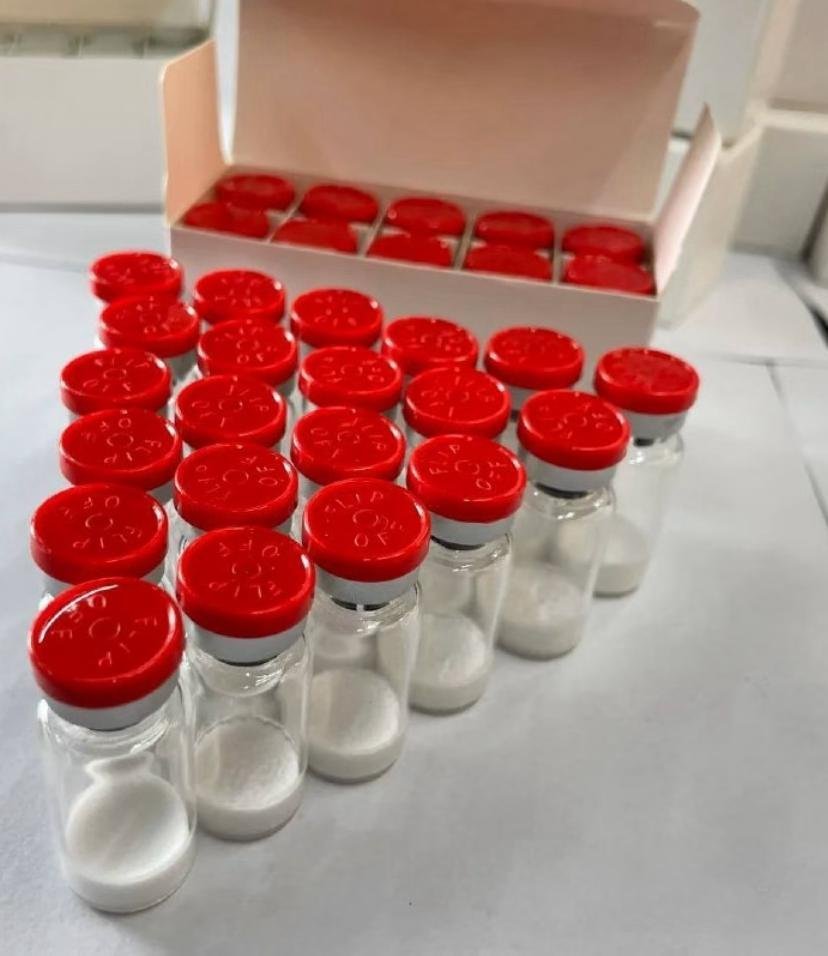

Tirzepatide Research Peptide: A First‑in‑Class Dual GIP/GLP‑1 Receptor Agonist for Metabolic Studies
If your research explores the next generation of incretin‑based therapeutics for metabolic disorders, Tirzepatide research peptide (LY3298176) offers a precisely defined and mechanistically groundbreaking synthetic tool. Tirzepatide is a first‑in‑class, 39‑amino‑acid linear peptide engineered as a dual agonist of the glucose‑dependent insulinotropic polypeptide receptor (GIPR) and the glucagon‑like peptide‑1 receptor (GLP‑1R).
This dual‑receptor activation provides a comprehensive approach to metabolic research: GLP‑1R agonism suppresses appetite and enhances glucose‑dependent insulin secretion, while GIPR agonism complements these effects by improving insulin sensitivity and promoting fat loss. The peptide is conjugated to a C20 fatty diacid moiety that extends its half‑life to approximately 5 days via albumin binding, enabling sustained receptor engagement. This makes Tirzepatide research peptide an invaluable tool for laboratories investigating obesity, type 2 diabetes, metabolic dysfunction‑associated steatotic liver disease (MASLD), cardiovascular disease, and the broader systemic effects of dual incretin receptor signalling.
At Chinese Grey Peptides, we supply high‑purity Tirzepatide research peptide to research institutions and wholesale buyers across the United Kingdom, France, Germany, Spain, Sweden, Italy, and the USA. Every batch is lyophilised, HPLC‑verified to ≥99% purity, and accompanied by a Certificate of Analysis (COA), ensuring your investigations into metabolic regulation, obesity, and diabetes research begin with uncompromising quality.
What Is Tirzepatide and How Does It Work?
To fully appreciate the research potential of Tirzepatide research peptide, it is essential to understand its biochemical design and the precise mechanisms by which it exerts its pleiotropic metabolic effects.
The 39‑Amino‑Acid Dual Incretin Agonist
Tirzepatide (LY3298176) is a synthetic 39‑amino‑acid linear peptide that functions as a dual agonist of the GIP and GLP‑1 receptors. Its molecular formula is C₂₂₅H₃₄₈N₄₈O₆₈, with a molecular weight of approximately 4,813.5 g/mol. It has a CAS number of 2023788‑19‑2.
The peptide is conjugated to a C20 fatty diacid moiety via a linker connected to lysine‑20. This fatty acid modification enables albumin binding, which significantly extends its plasma half‑life to approximately 5 days and supports once‑weekly dosing in clinical research. The sequence is represented as: Y-Aib-EGTFTSDYSI-Aib-LDKIAQ-diacid-gamma-Glu-(AEEA)₂-Lys-AFVQWLIAGGPSSGAPPPS-NH₂, with Aib representing α‑aminoisobutyric acid (a non‑coded amino acid that enhances proteolytic stability).
Mechanism of Action: Balanced GIPR and GLP‑1R Activation
The biological activity of Tirzepatide research peptide is mediated through its potent and balanced activation of two distinct G‑protein‑coupled receptors:
-
GIP Receptor (GIPR) Activation: Tirzepatide binds to GIPR, enhancing glucose‑dependent insulin secretion, improving insulin sensitivity, and promoting fat loss. The GIP component is thought to contribute to the superior efficacy of tirzepatide compared to selective GLP‑1 receptor agonists.
-
GLP‑1 Receptor (GLP‑1R) Activation: Tirzepatide binds to GLP‑1R, stimulating glucose‑dependent insulin secretion, suppressing appetite, and delaying gastric emptying.
-
Synergistic Metabolic Effects: The balanced combination of GIPR and GLP‑1R activation produces synergistic effects on glycaemic control and weight reduction that are greater than those achieved with either pathway alone.
-
Cardiovascular and Hepatic Effects: Beyond glycaemic control and weight reduction, tirzepatide has demonstrated beneficial effects on endothelial function, hepatic steatosis, and atherosclerotic pathways.
Research Note: Clinical Validation
Tirzepatide was approved by the FDA on May 13, 2022, for the treatment of type 2 diabetes and became available in pharmacies in the USA on June 7, 2022. In the landmark SURMOUNT‑1 trial, adults with overweight or obesity achieved 16.0%, 21.4%, and 22.5% weight reduction on tirzepatide 5 mg, 10 mg, and 15 mg, respectively. In the head‑to‑head SURMOUNT‑5 trial, tirzepatide was superior to semaglutide with respect to reduction in body weight and waist circumference at week 72. Meta‑analyses have confirmed that tirzepatide produces significantly greater weight loss compared with semaglutide (mean difference: 4.23%).
Key Research Applications for Tirzepatide Research Peptide
Tirzepatide research peptide is a versatile tool with applications spanning several domains of biomedical research.
1. Obesity & Weight Regulation Research
Tirzepatide has demonstrated robust, dose‑dependent weight loss in clinical and preclinical models. Research applications include:
-
Energy Balance Studies: Investigating how dual GIPR and GLP‑1R activation modulates appetite, satiety, and energy expenditure.
-
Weight Loss Mechanisms: Studying the molecular basis of weight reduction in diet‑induced obese (DIO) mouse models and MC4R‑deficient models.
-
Dose‑Response Studies: Characterising the dose‑dependent effects of tirzepatide on body weight, waist circumference, and body composition.
-
Comparative Studies: Comparing tirzepatide with selective GLP‑1 receptor agonists such as semaglutide.
2. Type 2 Diabetes Research
Tirzepatide has demonstrated significant glycaemic control in clinical trials. Research applications include:
-
Glycaemic Control Studies: Investigating the effects of tirzepatide on HbA1c reduction and glucose homeostasis.
-
Insulin Sensitivity: Studying the role of dual GIPR and GLP‑1R activation in enhancing glucose‑dependent insulin secretion.
-
Glucose Effectiveness: Investigating the impact of tirzepatide on insulin‑independent glucose elimination.
-
Beta‑Cell Function: Studying the protective and restorative effects of incretin receptor activation on pancreatic beta‑cells.
3. Cardiovascular & Vascular Research
Tirzepatide has demonstrated beneficial cardiovascular effects. Research applications include:
-
Endothelial Dysfunction: Investigating how dual GLP‑1R/GIPR agonism mitigates endothelial dysfunction and suppresses inflammatory pathways driving vascular remodelling.
-
Atherosclerosis: Studying the anti‑atherosclerotic properties of tirzepatide in comparison with selective GLP‑1 receptor agonists.
-
Abdominal Aortic Aneurysm: Investigating the attenuation of angiotensin II‑induced abdominal aortic aneurysm in preclinical models.
-
Cardiovascular Risk Factors: Exploring improvements in blood pressure, lipid profiles, and inflammatory markers.
4. Hepatic & MASLD Research
Tirzepatide has demonstrated potent efficacy in hepatic metabolism models. Research applications include:
-
Hepatic Steatosis: Investigating how tirzepatide alleviates hepatic steatosis and modulates gut microbiota and bile acid metabolism.
-
MASLD Models: Studying the hepatic molecular signatures associated with tirzepatide in MASLD mouse models.
-
Inflammatory Responses: Exploring the amelioration of inflammatory responses in hepatic tissue.
-
Fibrosis Research: Investigating the potential anti‑fibrotic effects of dual incretin agonism on hepatic tissue.
5. Neuroprotection & Behavioural Research
Emerging research has explored tirzepatide’s effects beyond metabolic regulation:
-
Neuroprotection: Tirzepatide has demonstrated neuroprotective effects and is being investigated in Alzheimer’s disease research.
-
Alcohol Consumption: Tirzepatide dose‑dependently reduced voluntary alcohol consumption, prevented binge and relapse‑like drinking, and maintained efficacy during repeated administration in rodent models.
-
Cognitive Function: Exploring the potential of dual incretin agonism in neurodegenerative disease models.
Chemical & Physical Specifications
Accurate characterisation of Tirzepatide research peptide is essential for reproducible experimental design.
| Parameter | Specification |
|---|---|
| Common Names | Tirzepatide, LY3298176 |
| Amino Acid Count | 39 amino acids (synthetic linear peptide) |
| Modification | C20 fatty diacid moiety via linker at Lys20 |
| Molecular Formula | C₂₂₅H₃₄₈N₄₈O₆₈ |
| Molecular Weight | ~4,813.5 g/mol |
| CAS Number | 2023788‑19‑2 |
| Half‑Life | ~5 days (humans) |
| Purity | ≥99% (HPLC verified) |
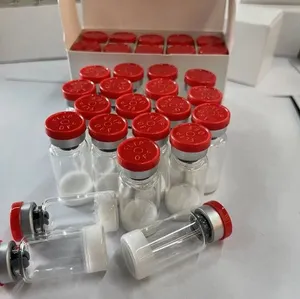
| Appearance | White to off‑white lyophilised powder |
| Solubility | Soluble in sterile water (≥10 mg/mL) and sterile PBS (pH 5‑7) |
| Storage (Lyophilised) | –20°C, sealed, protected from light; stable for up to 2 years |
| Storage (Reconstituted) | 2‑8°C for short‑term use; single‑use aliquots at –20°C for up to 3 months |
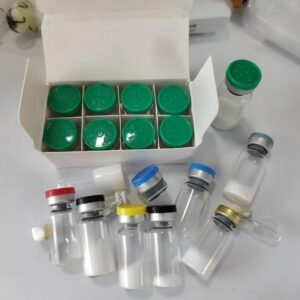
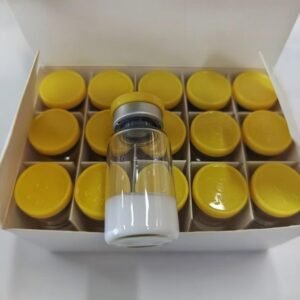
Note: Tirzepatide is supplied as a lyophilised powder for research use only (RUO). It is not FDA‑approved for human use in this format and is supplied strictly for in‑vitro and in‑vivo scientific research.
Reconstitution & Handling Protocol for Tirzepatide
Proper reconstitution of Tirzepatide research peptide is critical for maintaining its structural integrity and biological activity. The peptide is soluble in sterile water at ≥10 mg/mL.
Step 1 – Preparation
-
Bring the sealed Tirzepatide vial and your chosen diluent (sterile bacteriostatic water or sterile PBS, pH 5‑7) to room temperature. Condensation can degrade the lyophilised powder.
-
Clean your work surface with 70% ethanol and lay out sterile syringes, alcohol wipes and a clean work mat.
Step 2 – Vial Sanitisation
-
Wipe the rubber stopper of the Tirzepatide vial with a fresh 70% ethanol wipe. Allow the alcohol to evaporate completely before piercing.
Step 3 – Reconstitution
-
Draw your desired volume of diluent into a sterile syringe. A common starting concentration for research applications is 1‑2 mg per 1 mL of diluent, yielding a 1‑2 mg/mL stock solution.
-
Insert the needle and slowly inject the diluent against the inner glass wall. Do not spray directly onto the lyophilised powder.
-
Gently swirl the vial until the solution is clear and fully dissolved. Do not shake vigorously, as shaking can cause denaturation.
Step 4 – Aliquoting & Storage
-
Immediately after dissolution, aliquot the reconstituted Tirzepatide into single‑use sterile vials.
-
Store aliquots at –20°C. Avoid repeated freeze‑thaw cycles, as peptides are susceptible to degradation.
-
Once thawed, store at 2‑8°C and use within a short period.
Concentration Reference Table
| Vial Mass | Diluent Volume | Final Concentration |
|---|---|---|
| 1 mg | 1.0 mL | 1 mg/mL |
| 5 mg | 2.5 mL | 2 mg/mL |
| 10 mg | 5.0 mL | 2 mg/mL |
Adjust diluent volume based on your experimental requirements. For cell culture applications, typical working concentrations may range from 0.1‑10 µM.
Storage & Stability Guidelines
| Storage Condition | Shelf Life | Notes |
|---|---|---|
| Lyophilised at –20°C, unopened | 2 years | Use desiccant, protect from light |
| Lyophilised at 2‑8°C, unopened | 6‑12 months | –20°C storage is strongly preferred for long‑term stability |
| Reconstituted at 2‑8°C | Short‑term use | Use within days to weeks |
| Reconstituted aliquots at –20°C | Up to 3 months | Single freeze only; discard after thawing |
Why Choose Chinese Grey Peptides for Tirzepatide?
As an authentic licensed peptide supplier based in the USA, we supply Tirzepatide research peptide and a wide range of research‑grade compounds under rigorous quality assurance protocols, fully aligned with Google’s E‑E‑A‑T standards (Experience, Expertise, Authoritativeness, Trustworthiness).
-
Verified Purity: Independent HPLC analysis with purity guaranteed ≥99% for every batch.
-
GMP‑Compliant Manufacturing: All peptides are synthesised under strict quality control conditions.
-
Full Traceability: Batch‑specific Certificates of Analysis (COA) are available for every order.
-
Wholesale Supply: We serve research institutions, laboratories, and wholesale buyers across the UK, EU, and USA with flexible volume pricing and reliable logistics.
-
USA‑Based Regulatory Compliance: All products are supplied strictly as research‑grade reagents for laboratory use only (RUO).
Researchers across the United States—including those at leading institutions—trust us for fast domestic delivery, transparent documentation and professional technical support.
FAQ: Tirzepatide Research Peptide
What is Tirzepatide research peptide?
Tirzepatide (LY3298176) is a synthetic 39‑amino‑acid linear peptide that functions as a dual agonist of the glucose‑dependent insulinotropic polypeptide receptor (GIPR) and the glucagon‑like peptide‑1 receptor (GLP‑1R). It is used in research to study obesity, type 2 diabetes, MASLD, and metabolic regulation.
What is the mechanism of action of Tirzepatide?
Tirzepatide activates both GIP and GLP‑1 receptors, stimulating insulin release while decreasing glucagon release. This dual activation produces synergistic effects on glycaemic control and weight reduction.
What are the primary research applications for Tirzepatide?
Tirzepatide is used in obesity and weight regulation research, type 2 diabetes research, cardiovascular and vascular research (endothelial dysfunction, atherosclerosis, abdominal aortic aneurysm), hepatic and MASLD research, and neuroprotection and behavioural research.
What clinical trial data support Tirzepatide’s efficacy?
In the SURMOUNT‑1 trial, tirzepatide achieved 16.0%, 21.4%, and 22.5% weight reduction at 5 mg, 10 mg, and 15 mg doses, respectively. In the SURMOUNT‑5 trial, tirzepatide was superior to semaglutide with respect to reduction in body weight and waist circumference at week 72.
What is the molecular weight and CAS number of Tirzepatide?
The molecular weight is approximately 4,813.5 g/mol, and the CAS number is 2023788‑19‑2.
What is the half‑life of Tirzepatide?
The half‑life of tirzepatide is approximately 5 days in humans, enabling once‑weekly dosing in clinical research.
What purity does your Tirzepatide research peptide meet?
Our Tirzepatide is tested to ≥99% purity by HPLC. A Certificate of Analysis (COA) is supplied with every order.
How should I reconstitute Tirzepatide research peptide?
Reconstitute with sterile bacteriostatic water or sterile PBS (pH 5‑7). Allow the vial to reach room temperature, then slowly inject the diluent against the inner glass wall and swirl gently. Do not shake. The peptide is soluble in sterile water at ≥10 mg/mL.
How should I store reconstituted Tirzepatide?
Reconstituted Tirzepatide should be stored at 2‑8°C for short‑term use. For longer storage, aliquot immediately into single‑use vials and store at –20°C for up to 3 months. Avoid repeated freeze‑thaw cycles.
Is Tirzepatide research peptide legal to purchase in the USA?
Yes. Tirzepatide is a laboratory reagent sold for research use only (RUO). It is fully legal to purchase, possess, and use in the United States for legitimate in‑vitro or in‑vivo scientific research, provided it is not marketed with therapeutic claims.
Q11: Does Chinese Grey Peptides ship internationally?
Yes. We ship across the UK, Europe (France, Germany, Spain, Sweden, Italy), and the USA from our US warehouse. Wholesale pricing is available for bulk orders.
Ships to USA, Canada, UK & Europe
Chinese Grey Peptides supports shipping to the USA, Canada, the United Kingdom, France, Germany, Spain, Sweden, Italy, and Europe where permitted.
Shipping support may include:
- Order processing updates
- Packaging support
- Tracking information where available
- Wholesale shipment planning
- Destination-based shipping review
- Customer support during transit
Shipping times may vary by order size, carrier, destination, customs process, and local requirements.
Why Choose Chinese Grey Peptides?
Chinese Grey Peptides focuses on quality, support, and clear communication. We help buyers review product details before placing an order.
Customers choose us for:
- Professional peptide supplier support
- Small and wholesale order options
- Product documentation support
- HPLC testing information where available
- Mass Spectrum documentation where available
- International shipping support
- Responsive communication
- Clear order assistance before payment
We aim to make the buying process simple, transparent, and professional.
- Shop Page
- Bulk Orders Page
- Contact Page
- Shipping & Return Page
- Peptide Purity Page
- DailyMed Mounjaro tirzepatide label
- DailyMed Zepbound tirzepatide label
- FDA concerns with unapproved GLP-1 drugs
- FDA GLP-1 compounding policy updates
From its design as a first‑in‑class dual GIP/GLP‑1 receptor agonist to its well‑characterised role in achieving unprecedented weight reduction and glycaemic control, Tirzepatide research peptide provides a precisely defined and mechanistically advanced platform for metabolic research.
Its ability to simultaneously activate both incretin receptors—supported by Phase 3 clinical trial data demonstrating up to 22.5% weight reduction, FDA approval for type 2 diabetes, and emerging evidence of cardiovascular, hepatic, and neuroprotective effects—makes it a valuable addition to any laboratory investigating obesity, type 2 diabetes, MASLD, or the broader systemic effects of dual incretin receptor signalling. By choosing high‑purity, lab‑verified Tirzepatide research peptide from Chinese Grey Peptides, you ensure that your research is built on a foundation of quality, reproducibility, and scientific integrity.
Ready to advance your research with Tirzepatide? Browse our product catalogue, request a wholesale quote, or contact our support team today to discuss your laboratory’s specific needs. Place your order now and receive GMP‑grade Tirzepatide delivered directly to your facility in the USA, UK, or Europe.
| Tirzepatide | 5mg, 10mg, 15mg, 20mg, 30mg, 40mg, 60mg, 70mg, 80mg, 90mg, 100mg, 120mg |
|---|
Be the first to review “Tirzepatide”
Related products
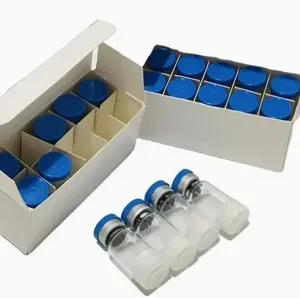
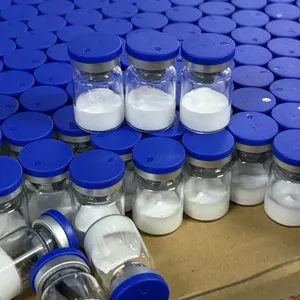
Peptides
Peptides
Reviews
There are no reviews yet.