
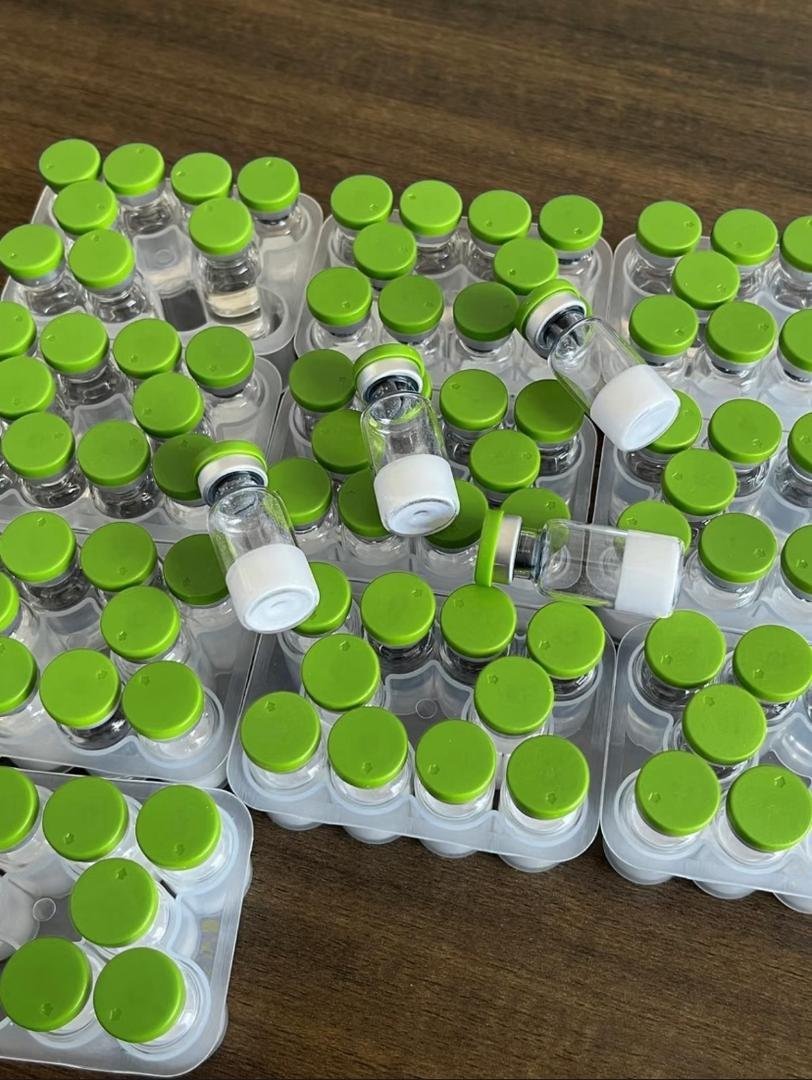


SS-31 Research Peptide: A Cardiolipin‑Targeting Tetrapeptide for Mitochondrial & Neuroprotection Studies
If your research investigates mitochondrial dysfunction, neuroprotection, or the molecular mechanisms of cellular energy metabolism, SS-31 research peptide — also known as Elamipretide, MTP‑131, or Bendavia — offers a precisely defined and extensively validated synthetic tool. SS-31 (D‑Arg‑Dmt‑Lys‑Phe‑NH₂) is a mitochondria‑targeting tetrapeptide developed by Dr. Hazel Szeto at Weill Cornell Medical College that has garnered significant attention in mitochondrial medicine. It selectively binds to cardiolipin, a unique phospholipid almost exclusively found in the inner mitochondrial membrane, stabilising mitochondrial cristae, reducing reactive oxygen species (ROS) production, and increasing ATP generation. This makes SS-31 research peptide a valuable tool for laboratories investigating mitochondrial dysfunction, neurodegeneration, cardiovascular disease, and age‑related pathologies.
At Chinese Grey Peptides, we supply high‑purity SS-31 research peptide to research institutions and wholesale buyers across the United Kingdom, France, Germany, Spain, Sweden, Italy, and the USA. Every batch is lyophilised, HPLC‑verified to ≥99% purity, and accompanied by a Certificate of Analysis (COA), ensuring your investigations into mitochondrial biology and cellular protection begin with uncompromising quality.
What Is SS-31 and How Does It Work?
To fully appreciate the research potential of SS-31 research peptide, it is essential to understand its biochemical design, its unique mechanism of action, and the pathways by which it exerts its pleiotropic effects.
The Szeto‑Schiller Tetrapeptide
SS-31 is a synthetic tetrapeptide with the sequence H‑D‑Arg‑Dmt‑Lys‑Phe‑NH₂, where Dmt represents 2′,6′‑dimethyltyrosine. Its molecular formula is C₃₂H₄₉N₉O₅, with a molecular weight of approximately 639.8 g/mol. It has a CAS number of 736992‑21‑5. As a member of the Szeto‑Schiller (SS) family of peptides, it features alternating cationic and aromatic residues that enable it to cross cell membranes and selectively accumulate in the inner mitochondrial membrane.
Mechanism of Action: Cardiolipin Binding and Mitochondrial Stabilisation
The biological activity of SS‑31 research peptide is intrinsically linked to its specific interaction with cardiolipin, a phospholipid almost exclusively found in the inner mitochondrial membrane:
-
Cardiolipin Binding and Membrane Stabilisation: SS-31 binds directly to cardiolipin, stabilising the inner mitochondrial membrane and preserving cristae architecture. By modulating the hydrophobic interaction between cytochrome c and cardiolipin, it promotes the electron‑carrying function of cytochrome c.
-
Reduction of ROS and Increased ATP Production: SS-31 reduces mitochondrial reactive oxygen species production and increases ATP generation. In aged bone marrow‑derived mesenchymal stem cells, it increased ATP production by 35% and reduced ROS levels by 40%.
-
Inhibition of the Mitochondrial Permeability Transition Pore (mPTP): SS‑31 inhibits the opening of the mPTP that forms under mitochondrial stress (e.g., traumatic brain injury, stroke, neurodegenerative diseases), preventing mitochondrial swelling and apoptosis.
-
NRF2/HO‑1 Pathway Activation: Recent research demonstrates that SS-31 enhances cellular antioxidant capacity by activating the NRF2/HO‑1 signalling pathway, improving mitochondrial performance and redox homeostasis.
Research Note: Clinical Development and Key Studies
SS‑31 has progressed into several clinical trials, encompassing areas such as mitochondrial myopathy, genetic diseases, heart failure, and myocardial reperfusion injury. It has received orphan‑drug designation for mitochondrial myopathy from both the FDA and the European Medicines Agency. While expectations in some trials were not met, the peptide remains a biologically credible option for mitochondrial dysfunction with expectations calibrated to clinical trial outcomes.
Key Research Applications for SS-31
SS‑31 research peptide is a versatile tool with applications spanning several domains of biomedical research.
1. Mitochondrial Dysfunction & Bioenergetics Research
As a cardiolipin‑targeting peptide that improves mitochondrial function, SS-31 is essential for studying mitochondrial biology. Research has demonstrated:
-
Mitochondrial Bioenergetics: SS-31 improves mitochondrial membrane potential, preserves oxidative phosphorylation‑related protein integrity, and increases ATP production.
-
Cardiolipin Research: SS-31 stabilises cardiolipin and prevents its peroxidation.
-
Aging Models: SS-31 treatment normalised proton leak and reduced mitochondrial ROS in cardiomyocytes from old mice.
2. Neuroprotection & Neurodegenerative Research
SS‑31 has demonstrated significant neuroprotective effects in multiple research models:
-
Spinal Cord Injury: In a mouse thoracic contusion model, SS-31 significantly enhanced locomotor recovery, reduced lesion pathology, and increased neuronal preservation. It attenuated early apoptosis signalling (reduced cleaved caspase‑3 and Bax, increased Bcl‑2) and at the chronic stage was associated with diminished astrogliosis.
-
Parkinson’s Disease: SS-31 produced dose‑dependent complete protection against loss of dopamine and its metabolites in the striatum, as well as loss of tyrosine hydroxylase immunoreactive neurons in the substantia nigra. It modulates membrane binding and aggregation of α‑synuclein and restores impaired mitochondrial function.
-
Memory/Cognitive Support: SS-31 is reported to protect against mitochondrial dysfunction, attenuate oxidative stress and the inflammatory response in the hippocampus, and improve memory impairment.
3. Cardiovascular & Muscle Research
SS-31 has demonstrated cardioprotective and muscle‑protective effects:
-
Heart Failure with Preserved Ejection Fraction (HFpEF): In a rat model, SS-31 improved whole‑muscle contractile function (soleus: +8.2%, extensor digitorum longus: +10.9%), single‑fibre function (soleus: +173.2%), and prevented atrophy development (soleus: +49%, extensor digitorum longus: +54.8%).
-
Cardiac Mitochondrial Dysfunction: SS-31 has beneficial effects on improving cardiac mitochondrial dysfunction in Barth syndrome animal models.
-
Skeletal Muscle Performance: SS-31 improves skeletal muscle performance through cardiolipin‑mediated improvements in oxidative phosphorylation.
4. Bone & Stem Cell Research
SS‑31 has demonstrated effects on osteogenic differentiation and stem cell function:
-
Osteogenic Differentiation: SS‑31 significantly improved mitochondrial function in aged BM‑MSCs, increasing ATP production by 35% and reducing ROS levels by 40%. Osteogenic differentiation was enhanced, as evidenced by a 2.8‑fold increase in ALP activity and a 3.5‑fold increase in mineralisation.
-
Ovarian Aging: SS‑31 alleviated oxidative damage‑induced apoptosis, improved mitochondrial function (including membrane potential and ATP production), and ameliorated senescence‑associated impairment of the granulosa cell‑oocyte unit.
5. Acute Kidney Injury & Ischaemia‑Reperfusion Research
SS‑31 has demonstrated promising results in preclinical models of acute kidney injury and ischaemia‑reperfusion injury. Recent discoveries have identified phospholipid scramblase 3 (PLSCR3) as an essential mediator of SS‑31’s mitochondrial protective effects.
Chemical & Physical Specifications
Accurate characterisation of SS‑31 research peptide is essential for reproducible experimental design.
| Parameter | Specification |
|---|---|
| Common Names | SS‑31, Elamipretide, MTP‑131, Bendavia |
| Amino Acid Sequence | H‑D‑Arg‑Dmt‑Lys‑Phe‑NH₂ |
| Dmt | 2′,6′‑dimethyltyrosine |
| Molecular Formula | C₃₂H₄₉N₉O₅ |
| Molecular Weight | ~639.8 g/mol |
| CAS Number | 736992‑21‑5 |
| Purity | ≥99% (HPLC verified) |
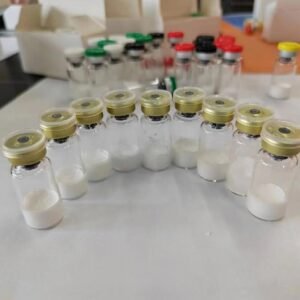
| Appearance | White to off‑white lyophilised powder |
| Solubility | Soluble in sterile water |
| Storage (Lyophilised) | –20°C, sealed, protected from light; stable for up to 2 years |
| Storage (Reconstituted) | 2‑8°C for short‑term use; single‑use aliquots at –20°C for up to 3 months |
Reconstitution & Handling Protocol for SS‑31
Proper reconstitution of SS‑31 research peptide is critical for maintaining its structural integrity and biological activity. SS‑31 is water‑soluble and demonstrates high stability in aqueous solutions.
Step 1 – Preparation
-
Bring the sealed SS‑31 vial and your chosen diluent (sterile bacteriostatic water or sterile PBS, pH 5‑7) to room temperature.
-
Clean your work surface with 70% ethanol and lay out sterile syringes, alcohol wipes and a clean work mat.
Step 2 – Vial Sanitisation
-
Wipe the rubber stopper of the SS‑31 vial with a fresh 70% ethanol wipe. Allow the alcohol to evaporate completely before piercing.
Step 3 – Reconstitution
-
Draw your desired volume of diluent into a sterile syringe. A common starting concentration for research applications is 10 mg/mL.
-
Slowly inject the diluent against the inner glass wall. Do not spray directly onto the lyophilised powder.
-
Gently swirl the vial until the solution is clear and fully dissolved. Do not shake vigorously.
Step 4 – Aliquoting & Storage
-
Immediately after dissolution, aliquot the reconstituted SS‑31 into single‑use sterile vials.
-
Store aliquots at –20°C for long‑term storage.
-
Once thawed, store at 2‑8°C and use within 4 weeks. Avoid repeated freeze‑thaw cycles.
Concentration Reference Table
| Vial Mass | Diluent Volume | Final Concentration |
|---|---|---|
| 5 mg | 0.5 mL | 10 mg/mL |
| 10 mg | 1.0 mL | 10 mg/mL |
| 25 mg | 2.5 mL | 10 mg/mL |
Adjust diluent volume based on your experimental requirements. For cell culture applications, typical working concentrations may range from 0.1‑10 µM.
Storage & Stability Guidelines
| Storage Condition | Shelf Life | Notes |
|---|---|---|
| Lyophilised at –20°C, unopened | 2 years | Use desiccant, protect from light |
| Lyophilised at 2‑8°C, unopened | 6‑12 months | –20°C storage is strongly preferred for long‑term stability |
| Reconstituted at 2‑8°C | Up to 4 weeks | Must be sterile; use aseptic technique for each withdrawal |
| Reconstituted aliquots at –20°C | Up to 3 months | Single freeze only; discard after thawing |
Why Choose Chinese Grey Peptides for SS‑31?
As an authentic licensed peptide supplier based in the USA, we supply SS‑31 research peptide and a wide range of research‑grade compounds under rigorous quality assurance protocols, fully aligned with Google’s E‑E‑A‑T standards (Experience, Expertise, Authoritativeness, Trustworthiness).
-
Verified Purity: Independent HPLC analysis with purity guaranteed ≥99% for every batch.
-
GMP‑Compliant Manufacturing: All peptides are synthesised under strict quality control conditions.
-
Full Traceability: Batch‑specific Certificates of Analysis (COA) are available for every order.
-
Wholesale Supply: We serve research institutions, laboratories, and wholesale buyers across the UK, EU, and USA with flexible volume pricing and reliable logistics.
-
USA‑Based Regulatory Compliance: All products are supplied strictly as research‑grade reagents for laboratory use only (RUO).
Researchers across the United States—including those at leading institutions—trust us for fast domestic delivery, transparent documentation and professional technical support.
FAQ: SS‑31 Research Peptide
What is SS‑31 research peptide?
SS‑31 (Elamipretide, MTP‑131, Bendavia) is a synthetic tetrapeptide (D‑Arg‑Dmt‑Lys‑Phe‑NH₂) that targets the inner mitochondrial membrane by binding to cardiolipin. It reduces mitochondrial ROS production, increases ATP generation, protects mitochondrial cristae, and reduces inflammatory responses.
What is the sequence and molecular weight of SS‑31?
The sequence is H‑D‑Arg‑Dmt‑Lys‑Phe‑NH₂, with Dmt representing 2′,6′‑dimethyltyrosine. Its molecular weight is approximately 639.8 g/mol.
What is the mechanism of action of SS‑31?
SS‑31 binds to cardiolipin on the inner mitochondrial membrane, stabilising mitochondrial cristae, reducing ROS production, increasing ATP generation, inhibiting the opening of the mitochondrial permeability transition pore, and activating the NRF2/HO‑1 antioxidant pathway.
What are the primary research applications for SS‑31?
SS‑31 is used in mitochondrial dysfunction and bioenergetics research, neuroprotection and neurodegenerative research (spinal cord injury, Parkinson’s disease, Alzheimer’s disease), cardiovascular and muscle research (HFpEF, cardiac protection), bone and stem cell research (osteogenic differentiation, ovarian aging), and acute kidney injury and ischaemia‑reperfusion research.
What clinical trial data support SS‑31?
SS‑31 has progressed into several clinical trials for mitochondrial myopathy, genetic diseases, heart failure, and myocardial reperfusion injury. It has received orphan‑drug designation for mitochondrial myopathy from the FDA and the European Medicines Agency. It is currently being tested in primary mitochondrial myopathy.
What purity does your SS‑31 research peptide meet?
Our SS‑31 is tested to ≥99% purity by HPLC. A Certificate of Analysis (COA) is supplied with every order.
How should I reconstitute SS‑31 research peptide?
Reconstitute with sterile bacteriostatic water or sterile PBS (pH 5‑7). Allow the vial to reach room temperature, then slowly inject the diluent against the inner glass wall and swirl gently. Do not shake.
How should I store reconstituted SS‑31?
Reconstituted SS‑31 should be stored at 2‑8°C and used within 4 weeks. For longer storage, aliquot immediately into single‑use vials and store at –20°C for up to 3 months. Avoid repeated freeze‑thaw cycles.
Is SS‑31 research peptide legal to purchase in the USA?
Yes. SS‑31 is a laboratory reagent sold for research use only (RUO). It is fully legal to purchase, possess, and use in the United States for legitimate in‑vitro or in‑vivo scientific research, provided it is not marketed with therapeutic claims.
Does Chinese Grey Peptides ship internationally?
Yes. We ship across the UK, Europe (France, Germany, Spain, Sweden, Italy), and the USA from our US warehouse. Wholesale pricing is available for bulk orders.
Ships to USA, Canada, UK & Europe
Chinese Grey Peptides supports shipping to the USA, Canada, the United Kingdom, France, Germany, Spain, Sweden, Italy, and Europe where permitted.
Shipping support may include:
- Order processing updates
- Packaging support
- Tracking information where available
- Wholesale shipment planning
- Destination-based shipping review
- Customer support during transit
Shipping times may vary by order size, carrier, destination, customs process, and local requirements.
Why Choose Chinese Grey Peptides?
Chinese Grey Peptides focuses on quality, support, and clear communication. We help buyers review product details before placing an order.
Customers choose us for:
- Professional peptidhttps://chinesegreypeptides.com/shipping-return/e supplier support
- Small and wholesale order options
- Product documentation support
- HPLC testing information where available
- Mass Spectrum documentation where available
- International shipping support
- Responsive communication
- Clear order assistance before payment
We aim to make the buying process simple, transparent, and professional.
- Shop Page
- Bulk Orders Page
- Contact Page
- Shipping & Return Page
- Peptide Purity Page
- PubChem Elamipretide / SS-31 — useful for product identity and synonym reference.
- FDA Forzinity approval information — useful for accurate regulatory context around elamipretide.
- FDA peptide warning letters — useful for compliance awareness around “research use only” wording and avoided claims.
- Google Product Structured Data — useful for product schema, ecommerce details, and search visibility.
- Rank Math WooCommerce Product Schema
From its discovery as a cardiolipin‑targeting tetrapeptide to its well‑characterised role in stabilising mitochondrial membranes, reducing ROS production, and increasing ATP generation, SS‑31 research peptide provides a precisely defined and extensively validated platform for advanced mitochondrial and neuroprotection research. Its ability to bind cardiolipin, activate the NRF2/HO‑1 pathway, inhibit the mPTP, and protect against mitochondrial dysfunction—supported by peer‑reviewed research published in PMC, ScienceDirect, Circulation: Heart Failure, and other authoritative journals—makes it a valuable addition to any laboratory investigating mitochondrial dysfunction, neuroprotection, cardiovascular disease, or age‑related pathologies. By choosing high‑purity, lab‑verified SS‑31 research peptide from Chinese Grey Peptides, you ensure that your research is built on a foundation of quality, reproducibility, and scientific integrity.
Ready to advance your research with SS‑31? Browse our product catalogue, request a wholesale quote, or contact our support team today to discuss your laboratory’s specific needs. Place your order now and receive GMP‑grade SS‑31 delivered directly to your facility in the USA, UK, or Europe.
| SS-31 | 10mg, 50mg |
|---|
Be the first to review “SS-31”
Related products
Peptides
Peptides
Peptides
Peptides

Reviews
There are no reviews yet.