

LC216 Multi-Peptide Research Compound: A Comprehensive Lipotropic Formulation for Lipid Metabolism & Methylation Studies
If your research investigates lipid metabolism, hepatic fat processing, or the intricate biochemistry of methylation pathways, LC216 Multi-Peptide research compound offers a sophisticated, multi‑component experimental platform. Unlike single‑compound peptides, LC216 is a carefully formulated blend of lipotropic agents, amino acid derivatives, and vitamin cofactors—including L‑carnitine, methionine, inositol, choline, and methylcobalamin—designed to model the complex interplay between fat mobilisation, mitochondrial energy transfer, and one‑carbon metabolism. The designation “LC216” refers to the total combined mass (216 mg) of active compounds contained within the formulation. This makes LC216 Multi-Peptide research compound a valuable tool for laboratories investigating hepatic steatosis, adipose tissue metabolism, intracellular lipid transport, and nutrient‑driven metabolic shifts.
At Chinese Grey Peptides, we supply high‑purity LC216 Multi-Peptide research compound to research institutions and wholesale buyers across the United Kingdom, France, Germany, Spain, Sweden, Italy, and the USA. Every batch is supplied as a sterile, multi‑component aqueous solution, manufactured under GMP‑compliant conditions, and accompanied by a Certificate of Analysis (COA), ensuring your investigations into lipid metabolism and methylation biochemistry begin with uncompromising quality.
What Is LC216 Multi-Peptide and How Does It Work?
To fully appreciate the research potential of LC216 Multi-Peptide research compound, it is essential to understand its biochemical composition, its synergistic mechanisms, and the distinct roles of each component.
The Multi‑Component Formulation
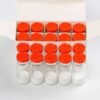
LC216 is a formulated aqueous research compound composed of amino acids, vitamins, and related biochemical cofactors. Each 10 mL vial contains a balanced combination of eight active ingredients at defined concentrations. Unlike isolated single‑compound peptides, LC216 enables researchers to examine the combined biochemical effects of lipotropic agents, amino acid derivatives, and coenzyme precursors within a single experimental variable.
Mechanism of Action: The “MIC” Core and Synergistic Pathways
The core scientific interest in LC216 revolves around its “MIC” compounds — Methionine, Inositol, and Choline — which are primary agents investigated for their ability to prevent lipid accumulation in the liver and facilitate fat export.
-
Methionine — Methylation and Epigenetic Regulation: Methionine acts as a critical methyl donor in research models, serving as the precursor to SAMe (S‑adenosylmethionine). It influences DNA methylation and epigenetic regulation of metabolic genes. In choline‑deficient diet models (a standard way to induce fatty liver in rats), the reintroduction of Methionine and Choline has been observed to restore normal lipid transport.
-
Choline — Hepatic Fat Export and VLDL Assembly: Choline is structurally vital for synthesising phosphatidylcholine, the primary phospholipid used to build VLDL (Very Low‑Density Lipoprotein) particles. Without VLDL, the liver cannot package triglycerides for export, leading to fat accumulation. Research utilising LC216‑type blends often aims to measure the rate of VLDL secretion and its impact on systemic lipid profiles.
-
Inositol — Insulin Signalling and Glucose Homeostasis: Inositol functions as a secondary messenger in insulin signal transduction, potentially linking lipid metabolism with glucose homeostasis in metabolic syndrome models. It is studied for its role in regulating insulin sensitivity.
-
L‑Carnitine — Mitochondrial Fatty Acid Transport: L‑carnitine facilitates the translocation of long‑chain fatty acids across the inner mitochondrial membrane via the carnitine palmitoyl transferase (CPT) system. This rate‑limiting step in β‑oxidation is a primary focus in fat utilisation and energy substrate research.
-
Vitamin B12 (Methylcobalamin) — One‑Carbon Methylation Cycling: Methylcobalamin is a bioactive coenzyme involved in one‑carbon methylation cycling, homocysteine regulation, and SAM availability. It is preferred over cyanocobalamin in metabolic research for superior bioavailability.
LC216 vs. LC120: Understanding the Distinction
Within the family of research peptides, both LC216 and LC120 are studied for their roles in energy metabolism. However, they address fundamentally different aspects of cellular energetics. While mitochondrial peptides like LC120 focus on the “engine,” LC216 focuses on the “fuel supply chain,” specifically the liver’s ability to process and export lipids. By targeting the MIC pathways, LC216 allows researchers to study the mobilisation step of metabolism—getting fuel out of storage and into circulation.
Key Research Applications for LC216 Multi‑Peptide
LC216 Multi-Peptide research compound is a versatile tool with applications spanning several domains of biomedical research.
1. Hepatic Lipid Metabolism & Steatosis Research
As a formulation targeting the MIC pathways, LC216 is an essential tool for studying hepatic fat processing. Research applications include:
-
Hepatic Steatosis Models: Investigating the prevention of lipid accumulation in the liver and the facilitation of fat export.
-
VLDL Secretion Studies: Measuring the rate of VLDL secretion and its impact on systemic lipid profiles.
-
NAFLD Research: Studying non‑alcoholic fatty liver models, adipose tissue metabolism, and intracellular lipid transport.
-
Lipid Transport Pathways: Investigating the role of choline in phosphatidylcholine synthesis and VLDL assembly.
2. Methylation & Epigenetic Research
The inclusion of methionine and methylcobalamin positions LC216 as a valuable tool for studying methylation pathways:
-
One‑Carbon Metabolism: Investigating the regulation of homocysteine and SAM availability.
-
DNA Methylation Studies: Exploring the epigenetic regulation of metabolic genes.
-
Methylation Pathway Studies: Evaluating biochemical pathway interactions and cofactor activity.
3. Mitochondrial Energy Transfer Research
L‑carnitine’s role in fatty acid transport makes LC216 relevant for mitochondrial bioenergetics research:
-
β‑Oxidation Studies: Investigating the rate‑limiting step of fatty acid oxidation.
-
Mitochondrial Bioenergetics: Studying energy substrate utilisation and mitochondrial function.
-
Fatty Acid Oxidation Research: Examining the translocation of long‑chain fatty acids across the inner mitochondrial membrane.
4. Metabolic Syndrome & Insulin Sensitivity Research
Inositol’s role as a secondary messenger in insulin signalling positions LC216 as a tool for metabolic research:
-
Insulin Sensitivity Models: Investigating the role of inositol in glucose homeostasis.
-
Metabolic Syndrome Research: Exploring the link between lipid metabolism and glucose regulation.
-
Nutrient‑Driven Metabolic Shifts: Studying metabolic flexibility in response to nutritional changes.
5. Biochemical Signalling & Cofactor Interaction Research
As a multi‑component formulation, LC216 enables researchers to study complex biochemical interactions:
-
Cofactor Interaction Research: Evaluating how amino acids, vitamins, and cofactors interact in controlled laboratory environments.
-
Cellular Process Investigations: Modelling biochemical signalling pathways and cellular process dynamics.
-
Formulation Behaviour Studies: Investigating compound compatibility and biochemical interactions in vitro.
Chemical & Physical Specifications for LC216 Multi-Peptide
Accurate characterisation of LC216 Multi-Peptide research compound is essential for reproducible experimental design.
| Parameter | Specification |
|---|---|
| Common Names | LC216, LIPO‑C, Lipo‑B formulation |
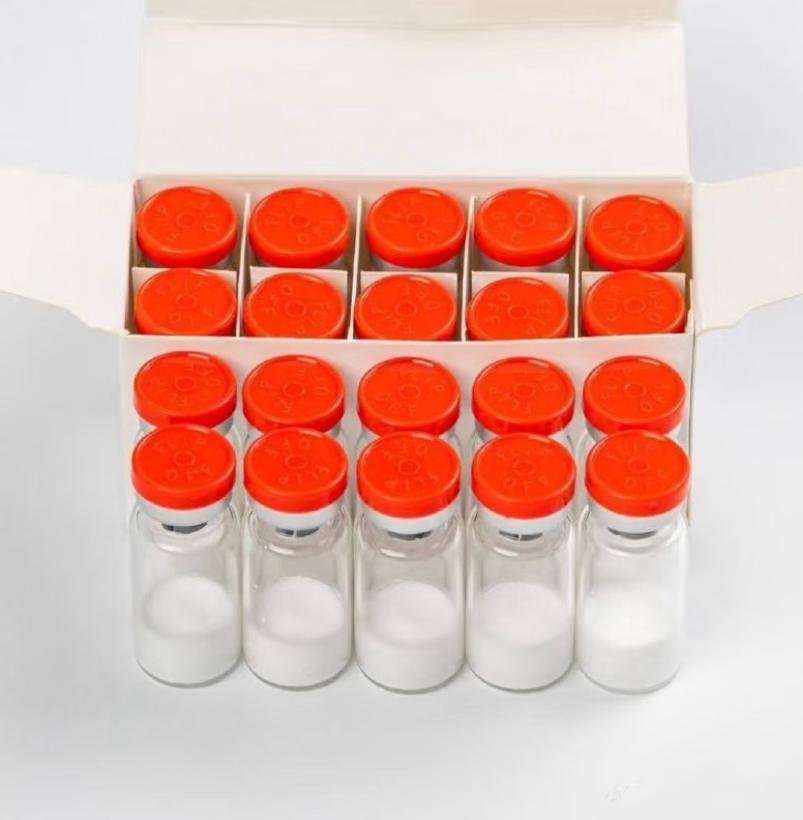
| Form | Aqueous solution in a 10 mL multidose vial |
| Appearance | Clear to slightly pink solution |
| Total Active Mass | 216 mg per 10 mL vial |
| Components (per mL) | L‑Carnitine 20mg, Methionine 25mg, Inositol 50mg, Choline 50mg, Vitamin B6 25mg, Vitamin B1 (Thiamine) 25mg, Vitamin B12 (Methylcobalamin) 1mg, Arginine 20mg |
| Storage | Do not refrigerate. Store in a cool, dry environment away from light |
| Intended Use | Research Use Only (RUO). Not for injection, human, or veterinary use |
Handling & Storage Protocol for LC216 Multi‑Peptide
Proper handling of LC216 Multi-Peptide research compound is critical for maintaining its stability and integrity.
Storage Guidelines
-
Do not refrigerate LC216.
-
Store in a cool, dry environment away from light.
-
Keep the vial tightly sealed when not in use.
-
Protect from heat and direct sunlight.
Handling Guidelines
-
Use aseptic technique when withdrawing material from the multidose vial.
-
Clean the vial stopper with 70% ethanol before each use.
-
Use sterile syringes and needles for all transfers.
-
Do not use if the solution appears cloudy, discoloured, or contains visible particles.
Storage & Stability Guidelines for LC216 Multi-Peptide
| Storage Condition | Shelf Life | Notes |
|---|---|---|
| Cool, dry environment, unopened | Until expiry date | Protect from light, do not refrigerate |
| Cool, dry environment, opened | Until expiry date | Use aseptic technique for each withdrawal |
Why Choose Chinese Grey Peptides for LC216 Multi‑Peptide?
As an authentic licensed peptide supplier based in the USA, we supply LC216 Multi-Peptide research compound and a wide range of research‑grade compounds under rigorous quality assurance protocols, fully aligned with Google’s E‑E‑A‑T standards (Experience, Expertise, Authoritativeness, Trustworthiness).
-
Verified Quality: Each batch is manufactured under strict quality control conditions.
-
Sterile Formulation: Supplied as a sterile, aqueous solution in a multidose vial for ease of handling and experimental consistency.
-
Full Traceability: Batch‑specific Certificates of Analysis (COA) are available for every order.
-
Wholesale Supply: We serve research institutions, laboratories, and wholesale buyers across the UK, EU, and USA with flexible volume pricing and reliable logistics.
-
USA‑Based Regulatory Compliance: All products are supplied strictly as research‑grade reagents for laboratory use only (RUO).
Researchers across the United States—including those at leading institutions—trust us for fast domestic delivery, transparent documentation and professional technical support.
FAQ: LC216 Multi‑Peptide Research Compound
What is LC216 Multi‑Peptide research compound?
LC216 (also known as LIPO‑C) is a multi‑component liquid research formulation composed of amino acids, vitamins, and related biochemical cofactors. It is designed for laboratory studies involving lipid metabolism, methylation pathways, and mitochondrial energy transfer.
What does LC216 contain?
Each mL contains L‑Carnitine (20mg), Methionine (25mg), Inositol (50mg), Choline (50mg), Vitamin B6 (25mg), Vitamin B1 (25mg), Vitamin B12 (1mg), and Arginine (20mg).
What does “LC216” refer to?
The designation “LC216” refers to the total combined mass (216 mg) of active compounds contained within the formulation.
What is the core mechanism of LC216 Multi-Peptide?
The core scientific interest in LC216 revolves around its “MIC” compounds — Methionine, Inositol, and Choline — which are investigated for their ability to prevent lipid accumulation in the liver and facilitate fat export.
What are the primary research applications for LC216 Multi-Peptide?
LC216 is used in hepatic lipid metabolism and steatosis research, methylation and epigenetic studies, mitochondrial energy transfer research, metabolic syndrome and insulin sensitivity studies, and biochemical signalling and cofactor interaction research.
How should I store LC216?
Do not refrigerate LC216. Store in a cool, dry environment away from light.
Is LC216 suitable for injection or human use?
No. LC216 is a research‑use‑only laboratory material. It is not for injection, not for human consumption, and not for clinical, therapeutic, or diagnostic use.
Is LC216 research compound legal to purchase in the USA?
Yes. LC216 is a laboratory reagent sold for research use only (RUO). It is fully legal to purchase, possess, and use in the United States for legitimate in‑vitro or in‑vivo scientific research, provided it is not marketed with therapeutic claims.
Does Chinese Grey Peptides ship internationally?
Yes. We ship across the UK, Europe (France, Germany, Spain, Sweden, Italy), and the USA from our US warehouse. Wholesale pricing is available for bulk orders.
Ships to USA, Canada, UK & Europe
Chinese Grey Peptides supports shipping to the USA, Canada, the United Kingdom, France, Germany, Spain, Sweden, Italy, and Europe where permitted.
Shipping support may include:
- Order processing updates
- Packaging support
- Tracking information where available
- Wholesale shipment planning
- Destination-based shipping review
- Customer support during transit
Shipping times may vary by order size, carrier, destination, customs process, and local requirements.
Why Choose Chinese Grey Peptides?
Chinese Grey Peptides focuses on quality, support, and clear communication. We help buyers review product details before placing an order.
Customers choose us for:
- Professional peptide supplier support
- Small and wholesale order options
- Product documentation support
- HPLC testing information where available
- Mass Spectrum documentation where available
- International shipping support
- Responsive communication
- Clear order assistance before payment
We aim to make the buying process simple, transparent, and professional.
LC216 Multi-Peptide
- Shop Page
- Bulk Orders Page
- Contact Page
- Shipping & Return Page
- Peptide Purity Page
- Google Search Central Helpful Content — useful for E-E-A-T, trust, and people-first SEO guidance.
- Google Product Structured Data — useful for product page schema, product details, availability, and ecommerce SEO.
- FDA peptide warning letters — useful for compliance awareness around “research use only” wording and avoided claims.
- PubMed / NIH
LC216 Multi-Peptide
From its role as a multi‑component lipotropic formulation targeting the “MIC” pathways to its well‑characterised functions in hepatic fat export, methylation biochemistry, and mitochondrial energy transfer, LC216 Multi-Peptide research compound provides a precisely defined and extensively validated platform for advanced metabolic research. Its ability to model the complex interplay between fat mobilisation, one‑carbon metabolism, and mitochondrial bioenergetics—supported by peer‑reviewed research published in PubMed and other authoritative sources—makes it a valuable addition to any laboratory investigating lipid metabolism, hepatic steatosis, methylation pathways, or nutrient‑driven metabolic shifts. By choosing high‑purity, lab‑verified LC216 Multi-Peptide research compound from Chinese Grey Peptides, you ensure that your research is built on a foundation of quality, reproducibility, and scientific integrity.
Ready to advance your research with LC216 Multi-Peptide? Browse our product catalogue, request a wholesale quote, or contact our support team today to discuss your laboratory’s specific needs. Place your order now and receive GMP‑grade LC216 delivered directly to your facility in the USA, UK, or Europe.
| LC216 Multi-Peptide | Arginine 20mg, Methionine 25mg, Inositol 50mg, choline 50mg, B5 Dexpan 25mg, B6 25mg, B12 Methyl 1mg |
|---|
Be the first to review “LC216 Multi-Peptide”
Related products


Peptides
Peptides
Reviews
There are no reviews yet.