
Uncategorized
grey peptides
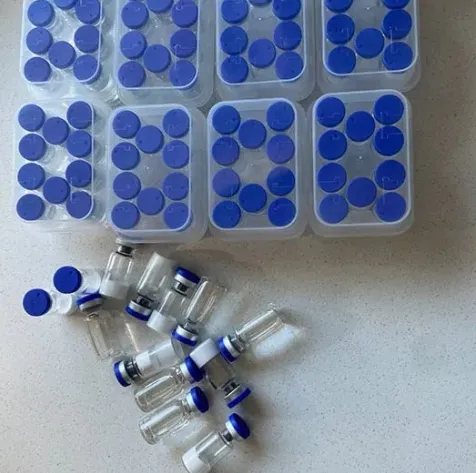
Oct
Grey Peptides: A Guide to Quality, Testing and Suppliers
Grey peptides are a topic of growing interest among people researching peptide science, laboratory materials, and supplier quality. However, the term grey peptides does not have one universally accepted scientific or regulatory definition. Understanding the terminology, documentation, testing methods, and legal considerations is essential before evaluating any peptide-related supplier.
At Chinese Grey Peptides, we believe that informed decisions begin with clear information. This guide explains what grey peptides may refer to, how peptide identity and purity are assessed, what supplier documents can tell you, and which questions deserve careful attention.
What Are Grey Peptides?
The term grey peptides is often used informally in online discussions and commercial listings. Depending on the context, it may refer to peptides sold in a regulatory grey area, products marketed for research purposes, or substances whose regulatory status and intended use are unclear.
It is important to understand that the word “grey” does not describe a peptide’s chemical structure, purity, safety, or effectiveness.
When researching grey peptides, consider three separate questions:
- Identity: What compound is actually being described?
- Quality: What evidence supports its stated identity, composition, and purity?
- Regulatory status: Is the product lawfully marketed for its stated purpose in the relevant country?
These questions are more useful than relying on a product label or marketing claim alone.
Grey Peptides and Research Peptides: What Is the Difference?
The terms grey peptides and research peptides are sometimes used interchangeably online, but they are not equivalent.
Research peptides are generally materials intended for scientific or laboratory investigation. The exact requirements depend on the substance, its intended use, and the applicable laws.
Grey peptides is an informal expression that may suggest uncertainty about a product’s classification, marketing, or legal status.
Key differences to understand
- Research designation: A label describing intended use does not automatically establish regulatory compliance.
- Chemical identity: A product name alone does not confirm that the material contains the expected compound.
- Testing documentation: A laboratory report can provide evidence about specific tested characteristics, but its scope must be understood.
- Legal status: Rules may differ between the United States, the United Kingdom, Canada, and individual European countries.
- Human use: A product marketed as a research material should not be assumed suitable for human consumption, injection, or medical treatment.
Always assess a product according to its actual composition, intended use, and applicable regulations rather than its marketing category.
Peptide Purity Testing: What Should You Know?
Peptide purity testing helps characterize a sample and identify certain quality concerns. However, no single test answers every question about a product.
Two commonly discussed analytical methods are high-performance liquid chromatography (HPLC) and mass spectrometry (MS).
HPLC for peptide purity
HPLC separates components in a sample so that an analyst can examine the resulting chromatogram.
Depending on the method and validation, HPLC may help estimate the relative amount of a target component compared with detected impurities.
When reviewing an HPLC report, look for:
- The name or identifier of the tested sample.
- The analytical method and relevant conditions.
- The reported chromatogram and peak information.
- The stated purity calculation and its limitations.
- The laboratory’s identity and report date.
A high reported HPLC purity value does not automatically establish the complete chemical identity, biological activity, sterility, or safety of a material.
Mass spectrometry for peptide identity
Mass spectrometry measures the mass-to-charge ratios of ions. Depending on the analytical approach, it can provide evidence that helps assess whether a sample is consistent with an expected molecular mass.
Useful report details may include:
- The sample identifier.
- The expected and observed mass information.
- The method used.
- Relevant spectra or analytical results.
- The laboratory responsible for the analysis.
Mass spectrometry and HPLC can complement each other, but their results must be interpreted in context. Neither method alone establishes that a substance is approved for medical use or safe to administer to people.
What Is a Peptide Certificate of Analysis (COA)?
A certificate of analysis, commonly called a COA, is a document that reports results for specified tests performed on a particular sample or batch.
A COA is more useful when it contains enough detail to connect the reported results to the material being assessed.
How to review a peptide COA
Before relying on a certificate, check whether it includes:
- Product identification: A clear name or identifier for the material.
- Batch or lot number: Information linking the report to the relevant batch.
- Testing details: The methods used and the characteristics measured.
- Results: Actual reported findings rather than vague statements such as “passed.”
- Laboratory details: The testing organization’s name and appropriate contact information.
- Report date: The date the analysis was performed or issued.
- Traceability: Information that helps establish whether the report belongs to the product under review.
If important details are missing, ask the supplier for clarification.
A COA should not be treated as automatic proof of authenticity. Its value depends on the reliability of the laboratory, the testing methods, sample traceability, and the scope of the reported analysis.
How to Evaluate Grey Peptide Suppliers
Supplier evaluation should involve more than comparing prices or reading product descriptions. Clear documentation, transparent business information, and appropriate regulatory practices all matter.
1. Verify the supplier’s business information
Look for a consistent business name, working contact details, clear policies, and information about the company’s role in the supply chain.
Determine whether the business is a manufacturer, importer, distributor, or reseller. These roles are different and should be described accurately.
Verify any claimed licences or certifications with the relevant issuing authority when possible.
2. Ask about testing and traceability
A supplier should be able to explain what testing is performed, what the results mean, and how documents relate to a specific batch.
Ask whether testing is performed by an internal laboratory or an independent organization. Neither description alone guarantees quality, so examine the actual evidence.
3. Review product descriptions carefully
Product information should identify the material clearly and avoid unsupported promises.
Be cautious of claims that a peptide is guaranteed to be safe, clinically effective, suitable for injection, or approved for human use without appropriate evidence.
4. Understand shipping and regulatory requirements
Cross-border shipment of peptide-related materials may be subject to import restrictions, customs requirements, product-specific rules, and destination-country laws.
Before placing an order for legitimate laboratory use, confirm that the material may lawfully be supplied, exported, imported, and used for its stated purpose.
Are Grey Peptides Legal in the USA?
There is no single legal answer for everything marketed as grey peptides. The applicable requirements depend on the substance, how it is represented, its intended use, and the relevant federal and state laws.
A label such as “research use only” does not automatically make every sale lawful or remove other regulatory obligations.
The US Food and Drug Administration (FDA) publishes information about bulk drug substances that may present significant safety risks in compounding. Its guidance identifies concerns associated with certain substances, including potential issues involving peptide impurities, aggregation, immunogenicity, and limited safety information.
Read the FDA’s information on certain bulk drug substances that may present significant safety risks.
For medicinal products, regulatory status should be verified for the specific substance and intended use. Laboratory analytical results do not replace regulatory authorization, clinical evidence, or appropriate quality controls.
Grey Peptides and International Shipping
Suppliers and customers operating across borders should check the rules that apply in each relevant jurisdiction.
Requirements can differ across the United States, the United Kingdom, Canada, and European countries. A product that can be lawfully handled for one purpose in one location may face different restrictions elsewhere.
Before arranging a shipment, consider:
- The exact identity and intended use of the material.
- Applicable import and export requirements.
- Customs documentation and accurate product descriptions.
- Any restrictions on the substance or its intended application.
- Whether additional permits or authorizations are required.
Do not assume that a shipment is permitted simply because a website accepts an order or a parcel has previously passed through customs.
How Chinese Grey Peptides Approaches Supplier Transparency
When researching Chinese Grey Peptides, visitors should review the information published on the company’s website and assess it against their own documentation and compliance requirements.
Useful questions to ask any supplier include:
- What is the company’s role in the supply chain?
- What product specifications and testing records are available?
- Can documents be linked to a specific batch?
- Which shipping destinations and product restrictions apply?
- How can customers contact the company with technical or documentation questions?
Business, licensing, laboratory, and quality claims should be supported by current, verifiable evidence. Customers should not have to rely solely on promotional language to evaluate a supplier.
Visit Chinese Grey Peptides to review the available company information and contact details. Confirm that any product or transaction meets the requirements applicable to its intended use and destination.
Frequently Asked Questions About Grey Peptides
What does “grey peptides” mean?
Grey peptides is an informal term used in some online and commercial settings. It may refer to peptides associated with uncertain regulatory status or research-oriented marketing. It is not a standardized scientific classification.
Are grey peptides the same as research peptides?
No. Research peptides generally describe materials intended for scientific investigation, while grey peptides is a less precise expression. Neither label by itself proves legality, quality, or suitability for a particular use.
How can peptide purity be tested?
Analytical methods such as HPLC can help assess sample composition, while mass spectrometry can provide evidence about molecular mass and identity. The appropriate testing strategy depends on the material and the questions being investigated.
Does a COA guarantee peptide quality?
No. A COA reports specified results for a sample. Its reliability depends on the laboratory, method, sample traceability, and report details. A COA does not automatically prove sterility, safety, clinical effectiveness, or regulatory approval.
Does high peptide purity mean a product is safe?
No. Purity is only one aspect of quality. It does not establish safety for human use, correct biological activity, sterility, or the absence of every relevant contaminant.
Are grey peptides approved for human use?
There is no blanket approval status for products described by this informal term. Approval and lawful marketing must be assessed for the specific substance, product, intended use, and jurisdiction.
What should I check before evaluating a peptide supplier?
Review the supplier’s business identity, product specifications, relevant batch documentation, analytical methods, laboratory information, traceability, and regulatory statements. Verify material claims independently where possible.
Can grey peptides be shipped internationally?
It depends on the material, intended use, origin, destination, and applicable import and export rules. Confirm the relevant requirements before arranging a shipment.
Conclusion: Make Informed Decisions About Grey Peptides
Grey peptides require careful evaluation because the term does not establish a product’s identity, quality, safety, or legal status. Understanding peptide purity testing, reviewing COAs critically, verifying supplier information, and checking applicable regulations are essential steps in responsible research and procurement.
Chinese Grey Peptides encourages visitors to review available company information carefully, ask questions about documentation, and verify claims before making decisions. Start with reliable information, transparent records, and a clear understanding of the rules that apply to your intended use.
For further information, visit Chinese Grey Peptides and review the available company and contact information.
