
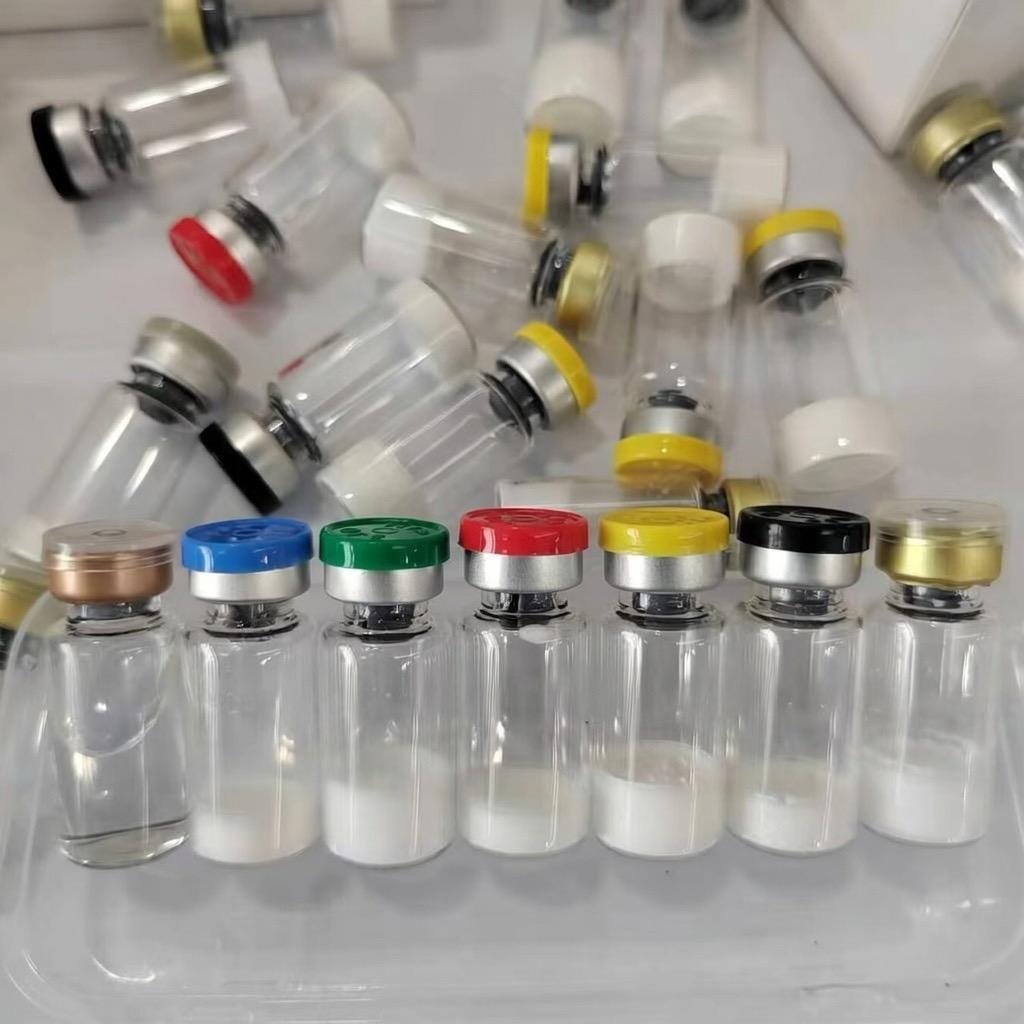
Chonluten (20mg) Research Peptide: An EDG Tripeptide for Respiratory & Pulmonary Studies
If your research investigates pulmonary epithelial biology, inflammatory signalling, or the epigenetic regulation of respiratory tissue function, Chonluten (20mg) research peptide — also known as the EDG tripeptide (Glu‑Asp‑Gly) or T‑34 — offers a precisely defined synthetic tool from the Khavinson family of peptide bioregulators.
Chonluten is a short‑chain peptide bioregulator explicitly engineered for the precise genetic optimisation of the deep bronchial and alveolar lining. Derived from bronchial epithelial cells, it functions as a respiratory tissue‑specific bioregulator that has demonstrated the ability to inhibit tumour necrosis factor (TNF) production in monocytes exposed to pro‑inflammatory bacterial lipopolysaccharide (LPS). Research shows that Chonluten regulates genes related to inflammation, antioxidant activity, and proliferative responses, making it a valuable tool for laboratories investigating respiratory biology, inflammation, oxidative stress, and the molecular mechanisms of tissue repair.
At Chinese Grey Peptides, we supply high‑purity Chonluten (20mg) research peptide to research institutions and wholesale buyers across the United Kingdom, France, Germany, Spain, Sweden, Italy, and the USA. Every batch is lyophilised, HPLC‑verified to ≥98% purity (with independently tested lots averaging 99.3%), and accompanied by a Certificate of Analysis (COA), ensuring your investigations into respiratory biology, inflammation, and tissue repair begin with uncompromising quality.
What Is Chonluten and How Does It Work?
To fully appreciate the research potential of Chonluten (20mg) research peptide, it is essential to understand its biochemical identity, its role as a tissue‑specific bioregulator, and the mechanisms by which it exerts its effects.
The EDG Tripeptide
Chonluten is a synthetic tripeptide consisting of three amino acids: glutamic acid, aspartic acid, and glycine — the sequence Glu‑Asp‑Gly (EDG). Its molecular weight is approximately 319 Da, with a molecular formula of C₁₁H₁₇N₃O₈ and a molecular weight of 319.27 g/mol.
The peptide belongs to the Khavinson family of short peptide bioregulators — molecules developed at Russia’s St. Petersburg Institute of Bioregulation and Gerontology that are hypothesised to interact with chromatin and DNA to modulate gene expression in a tissue‑specific manner. Chonluten targets the bronchopulmonary system with secondary activity in the GI tract.
Mechanism of Action: Epigenetic Regulation and Immune Modulation
The biological activity of Chonluten (20mg) research peptide is mediated through several intersecting mechanisms:
Epigenetic Gene Regulation
Chonluten works through epigenetic regulation, penetrating cell and nuclear membranes to bind promoter or suppressor regions of DNA and modulate transcriptional control. It regulates genes including c‑Fos, HSP70 (heat‑shock protein), SOD (superoxide dismutase), COX‑2, and TNF‑alpha related to oxidative stress and proliferative regulation.
Anti‑Inflammatory and TNF Inhibition
Research demonstrates that Chonluten inhibits TNF production in monocytes exposed to pro‑inflammatory LPS. The peptide inhibits the expression of TNF and the pro‑inflammatory cytokine IL‑6 stimulated by LPS on terminally differentiated THP‑1 cells. This low TNF release is linked to a documented mechanism of TNF tolerance, promoting attenuation of inflammatory action.
Antioxidant and Geroprotective Effects
Chonluten supports SOD (superoxide dismutase) and antioxidant gene expression. It has been researched as a potential geroprotective agent that may slow cell aging and support lung function in conditions like COPD. The peptide normalises respiratory system function, regulates protein synthesis in lung tissue, restores lung alveolar tissues, and maintains bronchial mucous membranes.
Key Research Applications for Chonluten (20mg)
Chonluten (20mg) research peptide is a versatile tool with applications spanning several domains of biomedical research.
1. Respiratory Epithelium & Pulmonary Research
Chonluten is specifically designed to target the deep bronchial and alveolar lining. Research applications include:
-
Bronchial Epithelial Cell Cultures: Investigating how Chonluten influences gene expression, differentiation, and function in bronchial epithelial cells.
-
Lung Tissue Regeneration: Studying how Chonluten drives rapid pulmonary repair and mitigates structural damage from chronic smoke exposure, deep respiratory infections, and age‑related decline in lung capacity.
-
Alveolar Function Studies: Investigating Chonluten’s effects on alveolar surfactant production and oxygen transfer capacity.
-
COPD and Respiratory Aging Models: Studying Chonluten’s potential to support lung function and modulate mucosal function in chronic obstructive pulmonary disease.
2. Inflammation & Immunology Research
Chonluten’s anti‑inflammatory properties make it a valuable tool for studying inflammatory signalling:
-
TNF‑α Inhibition: Investigating how Chonluten inhibits TNF production in monocytes exposed to pro‑inflammatory LPS.
-
Cytokine Signalling: Studying the inhibition of pro‑inflammatory IL‑6 cytokine stimulated by LPS.
-
Macrophage Function: Exploring Chonluten’s role as a modulator of inflammatory and proliferative processes in the human monocytic THP‑1 cell line.
-
TNF Tolerance Mechanisms: Investigating the documented mechanism of TNF tolerance promoted by Chonluten.
3. Oxidative Stress & Antioxidant Research
Chonluten has been investigated for its antioxidant activity:
-
SOD Pathway Studies: Researching antioxidant activity (e.g., SOD‑related pathways) in lung tissue exposed to hypoxic or toxic stress.
-
Antioxidant Gene Expression: Investigating how Chonluten supports SOD and antioxidant gene expression.
-
Environmental Toxin Models: Studying Chonluten’s effects on respiratory tissue following exposure to environmental toxins (e.g., smoking).
4. Geroprotection & Aging Research
Chonluten has been researched as a potential geroprotective agent:
-
Cellular Senescence: Investigating how Chonluten may slow cell aging in respiratory tissues.
-
Age‑Related Respiratory Decline: Studying Chonluten’s potential to preserve lung function with aging.
-
Longevity Research: Exploring Chonluten within the broader Khavinson aging and tissue‑regulation studies.
5. Gene Expression & Epigenetic Research
Chonluten serves as a valuable tool for studying epigenetic regulation:
-
DNA‑Protein Interactions: Investigating how short peptides bind to promoter or suppressor regions of DNA.
-
Transcriptional Control: Studying how Chonluten modulates the expression of genes including c‑Fos, HSP70, SOD, COX‑2, and TNF‑alpha.
-
Chromatin Interaction: Exploring how Chonluten penetrates cell and nuclear membranes to influence gene expression.
Chemical & Physical Specifications for Chonluten (20mg)
Accurate characterisation of Chonluten (20mg) research peptide is essential for reproducible experimental design.
| Parameter | Specification |
|---|---|
| Common Names | Chonluten, EDG, T‑34, Glu‑Asp‑Gly |
| Amino Acid Sequence (One‑Letter) | EDG |
| Amino Acid Sequence (Three‑Letter) | Glu‑Asp‑Gly |
| Molecular Formula | C₁₁H₁₇N₃O₈ |
| Molecular Weight | ~319.27 g/mol |
| Type | Tripeptide bioregulator |
| Purity | ≥98% (HPLC verified; independently tested lots avg 99.3%) |
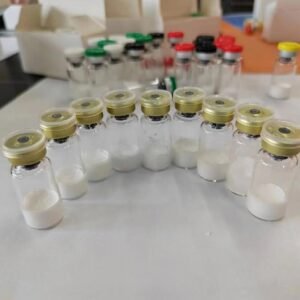
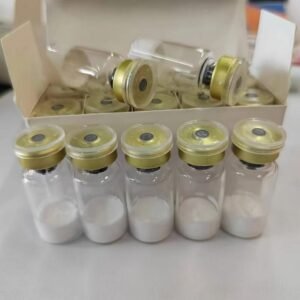
| Appearance | White to off‑white lyophilised powder |
| Solubility | Soluble in sterile water and sterile PBS (pH 5‑7) |
| Half‑Life | Minutes (short peptide); effects persist via epigenetic changes |
| Storage (Lyophilised) | –20°C, sealed, protected from light; stable for up to 2 years |
| Storage (Reconstituted) | 2‑8°C for short‑term use; single‑use aliquots at –20°C for up to 3 months |
Note: The 20 mg mass refers to the weight of the peptide in its lyophilised form. Chonluten is a synthetic Khavinson tripeptide bioregulator targeting bronchial and pulmonary tissue. The peptide is for research use only (RUO). Not for human consumption. Chonluten is not FDA‑approved for therapeutic use.
Reconstitution & Handling Protocol for Chonluten (20mg)
Proper reconstitution of Chonluten (20mg) research peptide is critical for maintaining its structural integrity and biological activity.
Step 1 – Preparation
-
Bring the sealed Chonluten vial and your chosen diluent (sterile bacteriostatic water or sterile PBS, pH 5‑7) to room temperature. Condensation can degrade the lyophilised powder.
-
Clean your work surface with 70% ethanol and lay out sterile syringes, alcohol wipes and a clean work mat.
Step 2 – Vial Sanitisation
-
Wipe the rubber stopper of the Chonluten vial with a fresh 70% ethanol wipe. Allow the alcohol to evaporate completely before piercing.
Step 3 – Reconstitution
-
Draw your desired volume of diluent into a sterile syringe. A common starting concentration for research applications is 20 mg per 2 mL of diluent, yielding a 10 mg/mL stock solution. Research protocols have documented reconstitution with 3 mL of bacteriostatic water per 20 mg vial.
-
Insert the needle and slowly inject the diluent against the inner glass wall. Do not spray directly onto the lyophilised powder.
-
Gently swirl the vial until the solution is clear and fully dissolved. Do not shake vigorously, as shaking can cause denaturation.
Step 4 – Aliquoting & Storage
-
Immediately after dissolution, aliquot the reconstituted Chonluten into single‑use sterile vials.
-
Store aliquots at –20°C. Avoid repeated freeze‑thaw cycles, as peptides are susceptible to degradation.
-
Once thawed, store at 2‑8°C and use within a short period.
Concentration Reference Table for Chonluten (20mg)
| Vial Mass | Diluent Volume | Final Concentration |
|---|---|---|
| 20 mg | 2.0 mL | 10 mg/mL |
| 20 mg | 4.0 mL | 5 mg/mL |
| 20 mg | 1.0 mL | 20 mg/mL |
Adjust diluent volume based on your experimental requirements. For research applications, typical daily doses range from 10‑20 mg orally or 1‑2 mg subcutaneously.
Storage & Stability Guidelines for Chonluten (20mg)
| Storage Condition | Shelf Life | Notes |
|---|---|---|
| Lyophilised at –20°C, unopened | 2 years | Use desiccant, protect from light |
| Lyophilised at 2‑8°C, unopened | 6‑12 months | –20°C storage is strongly preferred for long‑term stability |
| Reconstituted at 2‑8°C | Short‑term use | Use within days to weeks |
| Reconstituted aliquots at –20°C | Up to 3 months | Single freeze only; discard after thawing |
Why Choose Chinese Grey Peptides for Chonluten (20mg)?
As an authentic licensed peptide supplier based in the USA, we supply Chonluten (20mg) research peptide and a wide range of research‑grade compounds under rigorous quality assurance protocols, fully aligned with Google’s E‑E‑A‑T standards (Experience, Expertise, Authoritativeness, Trustworthiness).
-
Verified Purity: Independent HPLC analysis with purity guaranteed ≥98% for every batch; independently tested lots average 99.3%.
-
GMP‑Compliant Manufacturing: All peptides are synthesised under strict quality control conditions.
-
Full Traceability: Batch‑specific Certificates of Analysis (COA) are available for every order.
-
Wholesale Supply: We serve research institutions, laboratories, and wholesale buyers across the UK, EU, and USA with flexible volume pricing and reliable logistics.
-
USA‑Based Regulatory Compliance: All products are supplied strictly as research‑grade chemicals for laboratory use only (RUO). Chonluten is not FDA‑approved for therapeutic use.
Researchers across the United States—including those at leading institutions—trust us for fast domestic delivery, transparent documentation and professional technical support.
FAQ: Chonluten (20mg) Research Peptide
What is Chonluten (20mg) research peptide?
Chonluten (EDG, T‑34) is a synthetic tripeptide (Glu‑Asp‑Gly) belonging to the Khavinson family of peptide bioregulators. It is a respiratory tissue‑specific bioregulator targeting bronchial and pulmonary tissue, developed at Russia’s St. Petersburg Institute of Bioregulation and Gerontology.
What is the sequence and molecular weight of Chonluten?
The sequence is Glu‑Asp‑Gly (EDG). Its molecular formula is C₁₁H₁₇N₃O₈, and its molecular weight is approximately 319.27 g/mol.
What are the primary research applications for Chonluten?
Chonluten is used in respiratory epithelium and pulmonary research (alveolar function, lung tissue regeneration, COPD models), inflammation and immunology research (TNF inhibition, IL‑6 suppression), oxidative stress and antioxidant research, geroprotection and aging research, and gene expression and epigenetic research.
What is the mechanism of action of Chonluten?
Chonluten works through epigenetic regulation, penetrating cell and nuclear membranes to bind promoter or suppressor regions of DNA and modulate transcriptional control. It regulates genes including c‑Fos, HSP70, SOD, COX‑2, and TNF‑alpha. It inhibits TNF production in monocytes exposed to pro‑inflammatory LPS, promoting attenuation of inflammatory action.
What research supports Chonluten’s anti‑inflammatory effects?
Published research demonstrates that Chonluten inhibits TNF production in monocytes exposed to pro‑inflammatory LPS and inhibits the expression of pro‑inflammatory IL‑6 cytokine stimulated by LPS on terminally differentiated THP‑1 cells.
What purity does your Chonluten (20mg) meet?
Our Chonluten is tested to ≥98% purity by HPLC; independently tested lots average 99.3%. A Certificate of Analysis (COA) is supplied with every order.
How should I reconstitute Chonluten (20mg)?
Reconstitute with sterile bacteriostatic water or sterile PBS (pH 5‑7). Allow the vial to reach room temperature, then slowly inject the diluent against the inner glass wall and swirl gently. Do not shake. Research protocols have documented reconstitution with 3 mL of bacteriostatic water per 20 mg vial.
How should I store reconstituted Chonluten?
Reconstituted Chonluten should be stored at 2‑8°C for short‑term use. For longer storage, aliquot immediately into single‑use vials and store at –20°C for up to 3 months. Avoid repeated freeze‑thaw cycles.
Is Chonluten research peptide legal to purchase in the USA?
Yes. Chonluten is a laboratory reagent sold for research use only (RUO). It is fully legal to purchase, possess, and use in the United States for legitimate in‑vitro or in‑vivo scientific research, provided it is not marketed with therapeutic claims. Note: Chonluten is not FDA‑approved for therapeutic use and has not been evaluated by any Western regulatory agency.
Does Chinese Grey Peptides ship internationally?
Yes. We ship across the UK, Europe (France, Germany, Spain, Sweden, Italy), and the USA from our US warehouse. Wholesale pricing is available for bulk orders.
- Shop Page
- Bulk Orders Page
- Contact Page
- Shipping & Return Page
- Peptide Purity Page
- PubChem Triptorelin
- DailyMed TRELSTAR label
- DailyMed TRIPTODUR label
- Google Product Structured Data
- Rank Math WooCommerce Product Schema
Ships to USA, Canada, UK & Europe
Chinese Grey Peptides supports shipping to the USA, Canada, the United Kingdom, France, Germany, Spain, Sweden, Italy, and Europe where permitted.
Shipping support may include:
- Order processing updates
- Packaging support
- Tracking information where available
- Wholesale shipment planning
- Destination-based shipping review
- Customer support during transit
Shipping times may vary by order size, carrier, destination, customs process, product status, and local requirements.
Why Choose Chinese Grey Peptides?
Chinese Grey Peptides focuses on quality, support, and clear communication. We help buyers review product details before placing an order.
Customers choose us for:
- Professional peptide supplier support
- Small and wholesale order options
- Product documentation support
- HPLC testing information where available
- Mass Spectrum documentation where available
- International shipping support
- Responsive communication
- Clear order assistance before payment
We aim to make the buying process simple, transparent, and professional.
Important Compliance Notice
Triptorelin 2mg may be regulated differently depending on the country, product type, labeling, intended use, and customer type. Chinese Grey Peptides does not provide medical advice, dosing instructions, injection guidance, fertility guidance, hormone guidance, treatment claims, disease claims, bodybuilding claims, performance claims, or personal-use recommendations.
Customers are responsible for understanding and following all local laws, import rules, prescription requirements, and permitted-use requirements before ordering.
From its origin as a Khavinson tripeptide bioregulator targeting bronchial and pulmonary tissue to its well‑characterised role in inhibiting TNF production, suppressing IL‑6 expression, and modulating genes involved in oxidative stress and inflammation, Chonluten (20mg) research peptide provides a precisely defined and increasingly valuable platform for advanced respiratory and inflammatory research.
Its ability to penetrate cell and nuclear membranes, regulate gene expression through epigenetic mechanisms, and support lung tissue regeneration—supported by peer‑reviewed research published in journals indexed by PubMed and other authoritative sources—makes it a valuable addition to any laboratory investigating respiratory biology, inflammation, oxidative stress, or the molecular mechanisms of tissue repair and aging. By choosing high‑purity, lab‑verified Chonluten (20mg) research peptide from Chinese Grey Peptides, you ensure that your research is built on a foundation of quality, reproducibility, and scientific integrity.
Ready to advance your research with Chonluten (20mg)? Browse our product catalogue, request a wholesale quote, or contact our support team today to discuss your laboratory’s specific needs. Place your order now and receive GMP‑grade Chonluten delivered directly to your facility in the USA, UK, or Europe.
Be the first to review “Chonluten (20mg)”
Related products
Peptides
Peptides
Peptides
Reviews
There are no reviews yet.