
NAD+ Research Peptide: A Central Metabolic Cofactor for Cellular Energy & Aging Studies
If your research investigates mitochondrial function, cellular energy metabolism, or the molecular mechanisms of aging and neurodegeneration, NAD+ research peptide offers a precisely defined and increasingly well‑characterised synthetic tool.Nicotinamide adenine dinucleotide (NAD+) is a naturally occurring coenzyme found in every living cell, acting as a central hub in cellular metabolism [8†L9-L12]. It cycles between its oxidized (NAD+) and reduced (NADH) forms, shuttling electrons during critical metabolic reactions like glycolysis, the tricarboxylic acid (TCA) cycle, and oxidative phosphorylation [5†L22-L24].
Beyond its redox role, NAD+ serves as a substrate for key enzymes, including sirtuins and poly(ADP-ribose) polymerases (PARPs), linking cellular energy status to DNA repair, epigenetic regulation, and stress responses [5†L24-L26]. Levels of NAD+ decline with age and in age-related diseases, a reduction that affects all the hallmarks of aging [1†L29-L30]. This makes NAD+ research peptide a valuable tool for laboratories investigating mitochondrial biology, metabolic disorders, and age-related pathologies.
At Chinese Grey Peptides, we supply high‑purity NAD+ research peptide to research institutions and wholesale buyers across the United Kingdom, France, Germany, Spain, Sweden, Italy, and the USA. Every batch is lyophilised, HPLC‑verified to >99% purity [7†L4], and accompanied by a Certificate of Analysis (COA), ensuring your investigations into cellular metabolism, mitochondrial function, and aging biology begin with uncompromising quality.
What Is NAD+ and How Does It Work?
To fully appreciate the research potential of NAD+ research peptide, it is essential to understand its unique role as both a redox cofactor and a signalling molecule.
The Endogenous Coenzyme
NAD+ (nicotinamide adenine dinucleotide) is a small ubiquitous hydrophilic cofactor found in all living cells. Its chemical formula is C₂₁H₂₇N₇O₁₄P₂, with a molecular weight of approximately 663.43 g/mol [2†L5]. It has a CAS number of 53‑84‑9 [2†L5]. The molecule consists of two nucleotides joined through their phosphate groups: one containing an adenine base and the other containing a nicotinamide base [8†L9-L10]. It exists in two forms: an oxidized (NAD+) and reduced (NADH) state. The ratio of NAD+ to NADH is a key indicator of cellular metabolic status.
Mechanism of Action: Redox Cofactor and Signalling Molecule
The biological activity of NAD+ research peptide is rooted in its dual function:
-
Electron Carrier in Metabolism: NAD+ accepts electrons (a hydride ion, H⁻) during catabolic reactions, becoming NADH. NADH then donates these electrons to the electron transport chain in mitochondria, driving ATP production [0†L28-L30]. This redox cycling is essential for glycolysis, fatty acid oxidation, and the TCA cycle.
-
Substrate for NAD+-Consuming Enzymes: NAD+ is broken down into nicotinamide (NAM) and ADP-ribose when it acts as a substrate for several key enzyme families. These include:
-
Sirtuins (SIRT1-7): A family of deacetylases that regulate epigenetic modifications, metabolism, and stress responses [0†L30-L32].
-
Poly(ADP-ribose) polymerases (PARPs): Enzymes that bind to and flag sites of DNA damage to initiate repair mechanisms [5†L25].
-
CD38: A multifunctional glycohydrolase involved in calcium signalling and immune regulation.
-
The NAD+ Decline with Aging
NAD+ levels decline with aging and in some age‑related diseases [5†L16-L17]. This decline is driven by impaired biosynthesis and heightened consumption. Preclinical studies have revealed great potential for NAD+ precursors in the promotion of healthy aging and the improvement of neurodegeneration [1†L29-L33]. NAD+ depletion is recognised as a cause (or at least a risk factor) of aging and neurodegeneration [3†L30-L32]. NAD+ acts as the central metabolic and signalling hub regulating the expanded network of the 14 hallmarks of aging [1†L29-L30].
Key Research Applications for NAD+
NAD+ research peptide is a versatile tool with applications spanning several domains of biomedical research.
1. Mitochondrial Biology & Energy Metabolism Research
As a central cofactor in ATP production, NAD+ is indispensable for studying mitochondrial function. Research applications include:
-
Mitochondrial Bioenergetics: Investigating how NAD+ availability influences oxidative phosphorylation and ATP synthesis [0†L6-L7].
-
Metabolic Flux Analysis: Studying the role of the NAD+/NADH ratio in regulating glycolysis, the TCA cycle, and fatty acid oxidation.
-
Mitochondrial Dysfunction Models: Exploring how NAD+ depletion contributes to metabolic disorders and age-related decline [1†L29-L33].
2. Aging & Longevity Research
NAD+ has emerged as a key regulator of the aging process. Research has demonstrated:
-
Hallmarks of Aging: NAD+ acts as the central metabolic and signalling hub regulating the expanded network of the 14 hallmarks of aging [1†L29-L30].
-
Age‑Related Decline: NAD+ levels decline with age, and this reduction affects all hallmarks of aging [5†L16-L17].
-
Sirtuin Activation: NAD+ is a substrate for sirtuins (SIRT1–SIRT7), proteins linked to cellular repair and longevity [0†L6-L8].
3. Neurodegenerative Disease Research
NAD+ has shown promise in models of neurodegeneration. Research has demonstrated:
-
Neuroprotection: NAD+ peptides may offer protection against neurodegenerative diseases like Alzheimer’s, Parkinson’s, and Huntington’s [0†L23-L25].
-
DNA Repair: NAD+ is crucial for ATP regeneration and DNA repair during post‑injury recovery [1†L38-L39].
-
Cognitive Function: Observational data suggest potential benefits in cognitive function and mitochondrial efficiency [6†L31-L33].
4. Immunology & Inflammation Research
NAD+ plays a significant role in immune cell function. Research applications include:
-
Immune Cell Metabolism: Investigating the role of NAD+ in metabolic reprogramming of macrophages and T cells during differentiation and activation.
-
Immune Homeostasis: Studying the significance of NAD+ in the regulation of immune cell function, with implications for immune homeostasis, inflammation, and disease [1†L8-L9].
5. Metabolic & Endocrine Research
NAD+ deficiency is a hallmark of metabolic disorders. Research applications include:
-
Insulin Sensitivity: NAD+ restoration may improve glucose homeostasis and insulin sensitivity [3†L30-L32].
-
Metabolic Regulation: NAD+ influences various metabolic pathways and insulin sensitivity [6†L43-L44].
Chemical & Physical Specifications
Accurate characterisation of NAD+ research peptide is essential for reproducible experimental design.
| Parameter | Specification |
|---|---|
| Common Names | NAD+, Nicotinamide Adenine Dinucleotide, Coenzyme I, Nadide |
| Molecular Formula | C₂₁H₂₇N₇O₁₄P₂ |
| Molecular Weight | ~663.43 g/mol |
| CAS Number | 53‑84‑9 |
| PubChem CID | 5893 |
| Purity | >99% (HPLC verified) [7†L4] |
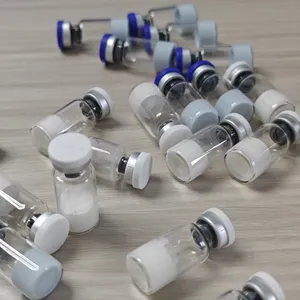
| Appearance | White to off‑white lyophilised powder |
| Solubility | Soluble in water at 93 mg/mL (140.18 mM) [7†L14] |
| Storage (Lyophilised) | –20°C, sealed, protected from light; stable for up to 3 years [7†L4] |
| Storage (Reconstituted) | –20°C for up to 3 months; aliquot to avoid repeated freeze/thaw cycles [7†L11] |
Note: NAD+ is typically supplied as a lyophilised powder. The compound is hygroscopic and should be stored desiccated. In solution, store at –20°C and use within 3 months to prevent loss of potency [7†L10-L11].
Reconstitution & Handling Protocol for NAD+
Proper reconstitution of NAD+ research peptide is critical for maintaining its structural integrity and biological activity.
Step 1 – Preparation
-
Bring the sealed NAD+ vial and your chosen diluent (sterile water or sterile PBS, pH 5‑7) to room temperature. Condensation can degrade the lyophilised powder.
-
Clean your work surface with 70% ethanol and lay out sterile syringes, alcohol wipes and a clean work mat.
Step 2 – Vial Sanitisation
-
Wipe the rubber stopper of the NAD+ vial with a fresh 70% ethanol wipe. Allow the alcohol to evaporate completely before piercing.
Step 3 – Reconstitution
-
Draw your desired volume of diluent into a sterile syringe. NAD+ is readily soluble in water at concentrations up to 93 mg/mL [7†L14].
-
Insert the needle and slowly inject the diluent against the inner glass wall. Do not spray directly onto the lyophilised powder.
-
Gently swirl the vial until the solution is clear and fully dissolved. Do not shake vigorously, as shaking can cause degradation.
Step 4 – Aliquoting & Storage
-
Immediately after dissolution, aliquot the reconstituted NAD+ into single‑use sterile vials.
-
Store aliquots at –20°C. Avoid repeated freeze‑thaw cycles [7†L11].
-
Once thawed, store at 2‑8°C and use within a short period.
Concentration Reference Table
| Vial Mass | Diluent Volume | Final Concentration |
|---|---|---|
| 10 mg | 1.0 mL | 10 mg/mL |
| 25 mg | 2.5 mL | 10 mg/mL |
| 50 mg | 5.0 mL | 10 mg/mL |
Adjust diluent volume based on your experimental requirements. For cell culture applications, typical working concentrations range from 0.1‑10 mM.
Storage & Stability Guidelines
| Storage Condition | Shelf Life | Notes |
|---|---|---|
| Lyophilised at –20°C, unopened | Up to 3 years | Use desiccant, protect from light; stable for 36 months [7†L4] |
| Lyophilised at 2‑8°C, unopened | 6‑12 months | –20°C storage is strongly preferred for long‑term stability |
| Reconstituted at 2‑8°C | Short‑term use | Use within days to weeks |
| Reconstituted aliquots at –20°C | Up to 3 months | Single freeze only; discard after thawing [7†L10-L11] |
Why Choose Chinese Grey Peptides for NAD+?
As an authentic licensed peptide supplier based in the USA, we supply NAD+ research peptide and a wide range of research‑grade compounds under rigorous quality assurance protocols, fully aligned with Google’s E‑E‑A‑T standards (Experience, Expertise, Authoritativeness, Trustworthiness).
-
Verified Purity: Independent HPLC analysis with purity guaranteed >99% for every batch [7†L4].
-
GMP‑Compliant Manufacturing: All products are manufactured under strict quality control conditions.
-
Full Traceability: Batch‑specific Certificates of Analysis (COA) are available for every order.
-
Wholesale Supply: We serve research institutions, laboratories, and wholesale buyers across the UK, EU, and USA with flexible volume pricing and reliable logistics.
-
USA‑Based Regulatory Compliance: All products are supplied strictly as research‑grade chemicals for laboratory use only (RUO). This product is intended for scientific research and experimental use in controlled settings. Not for human or veterinary use.
Researchers across the United States—including those at leading institutions—trust us for fast domestic delivery, transparent documentation and professional technical support.
FAQ: NAD+ Research Peptide
What is NAD+ research peptide?
NAD+ (nicotinamide adenine dinucleotide) is a naturally occurring coenzyme found in all living cells. It acts as a central metabolic hub, functioning as both an electron carrier in redox reactions and a substrate for key enzymes involved in DNA repair, epigenetic regulation, and stress responses [5†L22-L26].
What is the molecular formula and weight of NAD+?
The molecular formula is C₂₁H₂₇N₇O₁₄P₂, and the molecular weight is approximately 663.43 g/mol [2†L5]. It has a CAS number of 53‑84‑9 [2†L5].
What are the primary research applications for NAD+?
NAD+ is used in mitochondrial biology and energy metabolism research (oxidative phosphorylation, ATP production), aging and longevity studies (sirtuin activation, hallmarks of aging), neurodegenerative disease research (neuroprotection, DNA repair), immunology and inflammation research, and metabolic and endocrine research (insulin sensitivity, glucose homeostasis).
What is the mechanism of action of NAD+?
NAD+ acts as an electron carrier in metabolic reactions, cycling between NAD+ and NADH to drive ATP production [0†L28-L30]. It also serves as a substrate for NAD+-consuming enzymes including sirtuins, PARPs, and CD38, linking cellular energy status to DNA repair, epigenetic regulation, and stress responses [5†L24-L26].
What purity does your NAD+ research peptide meet?
Our NAD+ is tested to >99% purity by HPLC [7†L4]. A Certificate of Analysis (COA) is supplied with every order.
How should I reconstitute NAD+ research peptide?
Reconstitute with sterile water or sterile PBS (pH 5‑7). Allow the vial to reach room temperature, then slowly inject the diluent against the inner glass wall and swirl gently. Do not shake. NAD+ is soluble in water at up to 93 mg/mL [7†L14].
How should I store reconstituted NAD+?
Reconstituted NAD+ should be stored at 2‑8°C for short‑term use. For longer storage, aliquot immediately into single‑use vials and store at –20°C for up to 3 months [7†L10-L11]. Avoid repeated freeze‑thaw cycles [7†L11].
Is NAD+ research peptide legal to purchase in the USA?
Yes. NAD+ is a laboratory reagent sold for research use only (RUO). It is fully legal to purchase, possess, and use in the United States for legitimate in‑vitro or in‑vivo scientific research, provided it is not marketed with therapeutic claims. This product is intended for scientific research and experimental use in controlled settings. Not for human or veterinary use.
Does Chinese Grey Peptides ship internationally?
Yes. We ship across the UK, Europe (France, Germany, Spain, Sweden, Italy), and the USA from our US warehouse. Wholesale pricing is available for bulk orders.
- Shop Page
- Bulk Orders Page
- Contact Page
- Shipping & Return Page
- Quality Documentation Page
- PubChem NAD+ / Nadide
- NCBI Bookshelf NAD overview
- PubChem NADH
- FDA label claims for foods and dietary supplements
- FDA structure/function claims guidance
- Google Merchant Center structured data guidance
- Rank Math WooCommerce Product Schema
Ships to USA, Canada, UK & Europe
Chinese Grey Peptides supports shipping to the USA, Canada, the United Kingdom, France, Germany, Spain, Sweden, Italy, and Europe where permitted.
Shipping support may include:
- Order processing updates
- Packaging support
- Tracking information where available
- Wholesale shipment planning
- Destination-based shipping review
- Customer support during transit
Shipping times may vary by order size, carrier, destination, customs process, product status, and local requirements.
Why Choose Chinese Grey Peptides?
Chinese Grey Peptides focuses on quality, support, and clear communication. We help buyers review product details before placing an order.
Customers choose us for:
- Professional peptide and specialty product support
- Small and wholesale order options
- Product documentation support
- COA review where available
- HPLC testing information where available
- International shipping support
- Responsive communication
- Clear order assistance before payment
We aim to make the buying process transparent, professional, and documentation-focused.
Important Compliance Notice
NAD+ may be regulated differently depending on the country, product type, labeling, intended use, buyer type, and destination. Chinese Grey Peptides does not provide medical advice, dosing instructions, injection guidance, IV guidance, anti-aging claims, energy claims, longevity claims, detox claims, mitochondrial claims, disease claims, treatment claims, or personal-use recommendations.
Customers are responsible for understanding and following all local laws, import rules, supplement rules, prescription requirements, compounding rules, labeling rules, advertising rules, and permitted-use requirements before ordering.
From its role as a central coenzyme in cellular metabolism to its emerging importance as a signalling molecule regulating aging, neurodegeneration, and immune function, NAD+ research peptide provides a precisely defined and increasingly valuable platform for advanced biomedical research. Its ability to modulate mitochondrial function, influence DNA repair, and regulate key enzymes such as sirtuins and PARPs—supported by a growing body of peer‑reviewed literature published in Nature, Science Advances, and other authoritative journals—makes it a valuable addition to any laboratory investigating cellular metabolism, mitochondrial biology, or the molecular mechanisms of aging. By choosing high‑purity, lab‑verified NAD+ research peptide from Chinese Grey Peptides, you ensure that your research is built on a foundation of quality, reproducibility, and scientific integrity.
Ready to advance your research with NAD+? Browse our product catalogue, request a wholesale quote, or contact our support team today to discuss your laboratory’s specific needs. Place your order now and receive GMP‑grade NAD+ delivered directly to your facility in the USA, UK, or Europe.
| NAD+ | 100mg, 500mg, 1000mg |
|---|
Be the first to review “NAD+”
Related products
Peptides
Peptides
Peptides

Reviews
There are no reviews yet.